


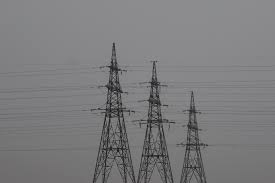
Tensions between Ukraine and Slovakia have escalated after Bratislava confirmed it is no longer providing emergency electricity assistance to Ukraine, though Kyiv says this has not disrupted its wider power imports. The dispute reflects deeper political and energy disagreements tied to regional energy routes and the ongoing war with Russia.
On 23 February 2026, Slovak Prime Minister Robert Fico announced that his government had instructed the country’s electricity transmission operator, SEPS, to halt emergency electricity supplies to Ukraine. The decision was linked to a broader dispute over the interruption of Russian oil flows through the Druzhba pipeline, which carries crude via Ukrainian territory to Slovakia and Hungary. Slovakia and neighbouring Hungary have demanded that Kyiv restore oil transit, which they say was unjustifiably halted a claim Ukraine rejects, saying the pipeline was damaged by Russian drone attacks.
Fico said that emergency assistance would only resume once oil transit is restored, and warned of additional reciprocal measures, including reconsideration of Slovakia’s support for Ukraine’s EU membership.
Ukraine’s national grid operator, Ukrenergo, has said that the end of emergency electricity supplies from Slovakia “will not affect the situation in Ukraine’s unified power system”. Officials noted that emergency power requests from Slovakia were rare and small, and that commercial electricity imports from Europe, including from Slovakia under standard market arrangements, are continuing.
Sources monitoring Ukraine’s electricity imports confirm that import flows remain ongoing, including from Slovakia, and that emergency supplies were not a major component of daily energy imports.
The electricity dispute is entwined with broader energy tensions. The Druzhba pipeline’s closure since late January has disrupted Russian oil deliveries to Central Europe, provoking claims and recriminations. Budapest and Bratislava two EU states still reliant on Russian oil have used energy leverage to press Ukraine and even block aspects of EU support for Kyiv, including sanctions and loan packages, until the transit issues are addressed.
Ukraine has condemned the use of energy supplies as leverage, calling such ultimatums “blackmail” that undermine European unity and risk aligning with Russian geopolitical interests. Kyiv insists that technical assessments and repairs, not political decisions, are determining the pace of pipeline restoration.
While the cessation of emergency electricity assistance from Slovakia is symbolic, experts and Ukrainian officials suggest it is unlikely to cause immediate power shortages, given the small volume historically provided and the continuation of regular commercial imports. However, the dispute highlights growing strains within Europe over energy security, supply routes, and political solidarity amid Russia’s ongoing war in Ukraine.
The situation remains fluid as diplomatic efforts continue, and markets and policymakers will be watching for any further energy leverage or shifts in cross‑border cooperation.









Leave a comment