


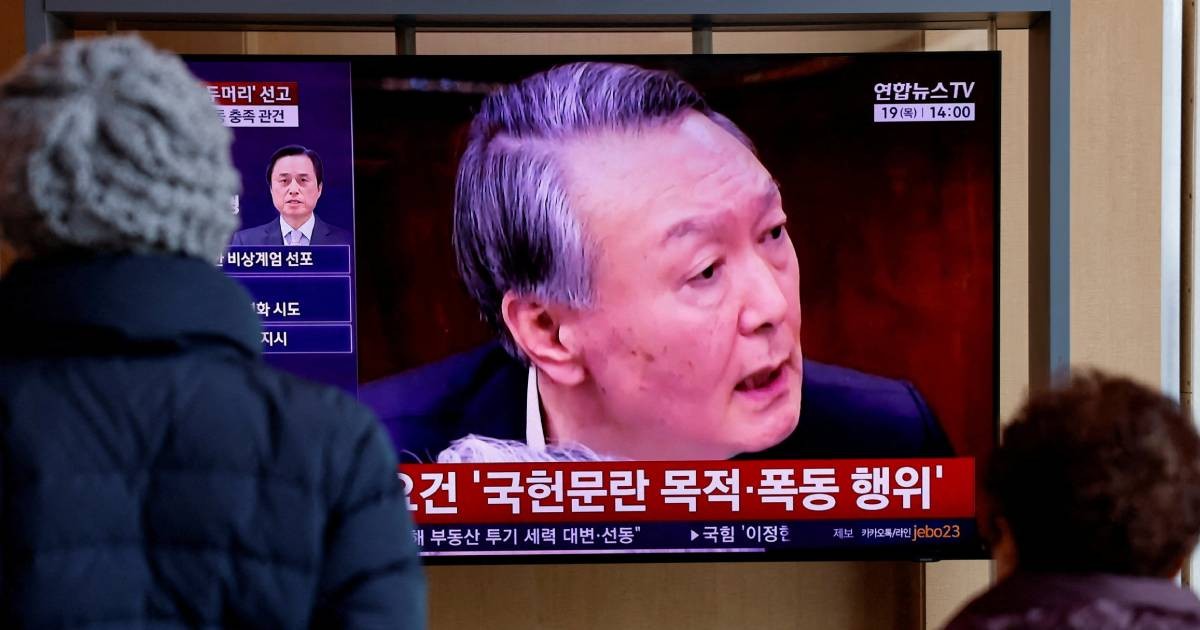
Once celebrated as a tough prosecutor who helped jail former leaders, former South Korean president Yoon Suk Yeol now faces the weight of the law himself after his controversial attempt to impose martial law led to his conviction.
Yoon, a former prosecutor general, built his reputation on pursuing corruption cases against powerful political figures. His rise to the presidency was rooted in an image of legal integrity and strict adherence to constitutional order. However, that legacy was overshadowed when he declared martial law during a period of intense political deadlock, a move critics described as unconstitutional and an abuse of executive power.
The decision triggered immediate backlash from opposition lawmakers, civil society groups and legal experts, who argued that the conditions required under South Korea’s constitution for martial law had not been met. Parliament swiftly moved to challenge the declaration, and the Constitutional Court later ruled against the measure.
Prosecutors subsequently charged Yoon with abuse of power and violating constitutional procedures. Following a high profile trial, the court found that his actions undermined democratic governance and exceeded the legal limits of presidential authority.
The conviction marks a dramatic reversal for a leader who once positioned himself as a defender of the rule of law. It also adds to South Korea’s history of former presidents facing legal consequences after leaving office, reinforcing the country’s pattern of robust judicial accountability at the highest levels of power.
Yoon has denied wrongdoing and is expected to appeal the verdict. The case continues to reverberate through South Korean politics, raising broader questions about executive authority, constitutional safeguards and the resilience of democratic institutions.









Leave a comment