


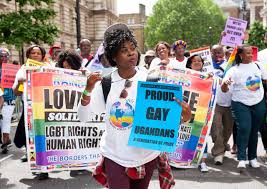
A Ugandan court on Monday dismissed the case against the first person in the country to be charged under the controversial “aggravated homosexuality” provision, which carries the death penalty, the defendant’s lawyer told Reuters. The case had drawn international attention as a test of Uganda’s Anti-Homosexuality Act, passed in 2023, and was seen as a measure of how the law would be enforced in practice.
The Anti-Homosexuality Act, which criminalises same-sex relationships and activity with severe penalties, sparked widespread condemnation from Western governments, international human rights organisations, and local advocacy groups. Under the law, certain acts classified as “aggravated” can carry life imprisonment or even the death penalty, making Uganda one of the few countries with such extreme legal consequences for LGBTQ+ people.
The defendant, whose identity is protected under Ugandan law, had faced the possibility of the death penalty for charges relating to consensual same-sex activity classified as “aggravated.” The lawyer representing the accused confirmed that the dismissal of the case effectively ends proceedings against their client, though the law itself remains in force, continuing to criminalise LGBTQ+ activity and putting others at risk of prosecution.
Human rights observers said the ruling, while offering relief for the individual involved, does not signal broader reforms or changes in Uganda’s legal approach to LGBTQ+ rights. Activists noted that systemic discrimination, harassment, and social stigma against sexual minorities remain pervasive, and that many individuals live under constant threat of arrest or societal violence.
International organisations and local advocacy groups praised the court’s decision as a temporary reprieve but reiterated calls for the Ugandan government to repeal or reform the Anti-Homosexuality Act. “The law continues to endanger lives and undermines basic human rights,” said one rights group spokesperson. “While today’s ruling is welcome for the individual involved, the structural threats to LGBTQ+ people in Uganda persist.”
The case had also highlighted the tension between Uganda’s domestic legal framework and international human rights norms. Western governments had previously threatened aid reductions and increased diplomatic pressure in response to the law, and human rights watchdogs have warned that enforcement of the Anti-Homosexuality Act could provoke further scrutiny and sanctions.
Legal experts noted that the court’s decision could reflect the judiciary’s cautious approach in applying such an extreme law for the first time. The ruling may influence how future cases are prosecuted, though without legislative reform, the risk of additional prosecutions under the same law remains high.
The outcome serves as a reminder of the broader debate over LGBTQ+ rights in Uganda, the influence of international human rights advocacy, and the delicate balancing act for courts operating under highly punitive legislation. While the individual involved in this landmark case is spared further legal jeopardy, many in Uganda’s LGBTQ+ community continue to face legal and societal threats on a daily basis.
This case, the first of its kind under the 2023 Act, will likely be closely watched by both domestic and international observers as an indicator of how Uganda may enforce its controversial anti-gay legislation going forward.








Leave a comment