


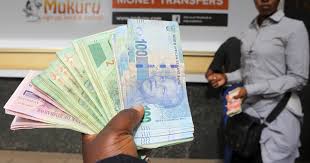
The South African rand remained largely unchanged in early trading on Thursday as easing geopolitical tensions and renewed safe-haven sentiment tempered market movements. Investors reacted positively after U.S. President Donald Trump stepped back from controversial proposals, including new tariffs and the idea of annexing Greenland by force, which had previously triggered uncertainty in global markets.
At 0718 GMT, the rand traded at 16.26 against the U.S. dollar, showing little movement from its previous close of 16.2550. Analysts say the currency’s stability reflects both a reduction in immediate geopolitical risk and broader market dynamics, including a firmer U.S. dollar, which exerted mild downward pressure on emerging-market currencies.
Financial observers noted that the rand has been sensitive in recent weeks to global political developments, particularly those involving major economies. The recent threats from Washington had initially prompted investors to seek safer assets, leading to short-term volatility in the rand and other emerging-market currencies. With those tensions now easing, risk appetite has returned, allowing the rand to stabilise in early trading.
Despite the steadiness, market participants remain cautious. South Africa continues to face domestic economic challenges, including sluggish growth, energy constraints, and inflationary pressures, which could influence the rand’s performance in the medium term. Traders are also closely monitoring global developments, particularly U.S. monetary policy and international trade negotiations, which remain key drivers of currency movements in emerging markets.
For now, the rand’s stability reflects a temporary reprieve in a period of heightened volatility, as investors recalibrate risk amid evolving geopolitical and economic conditions.











Leave a comment