


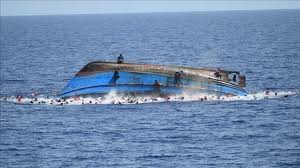
At least 26 people have lost their lives and 14 others remain missing after a passenger boat carrying farmers and fishermen capsized in northeastern Nigeria, underscoring the recurring dangers associated with inland water transport across the country. Emergency services confirmed that the incident occurred late on Saturday as the rudimentary vessel was traveling from Jigawa State to neighboring Yobe State.
Mohammed Goje, Executive Director of the Yobe State Emergency Management Agency, said rescue teams and community volunteers have so far recovered 26 bodies, while 13 passengers were rescued alive. Search and rescue operations are ongoing as authorities continue efforts to locate those still missing. Families of the victims have gathered anxiously along the riverbanks, hoping for news amid growing fears that the death toll could rise.
According to officials, the boat was transporting local farmers and fishermen returning from their daily activities when it capsized. Although the exact cause of the accident is still under investigation, preliminary indications point to familiar and deeply rooted problems that plague Nigeria’s waterways, including overloading, poor boat maintenance, and weak enforcement of safety regulations.
River transport remains a critical lifeline for many rural communities in northern Nigeria, where waterways are often the fastest and most affordable means of movement between states and markets. However, this dependence comes at a high cost. Dozens of people die each year in boat accidents across the country, tragedies that experts and transport workers say are largely preventable.
Police authorities have indicated that the boat captain may face prosecution if he survives, as investigations are expected to examine whether safety rules were violated. Such prosecutions, however, have done little in the past to deter unsafe practices, particularly in areas where poverty and limited transport alternatives force passengers to accept dangerous conditions.
Sunusi Ahmed, a boat worker familiar with the route, said it had been two or three years since a major accident of this scale last occurred in the area. He blamed persistent overloading as the primary cause of most river disasters, noting that while some measures have been introduced to improve safety, enforcement remains weak.
He and other transport workers are calling on authorities to take firmer action, including strict passenger limits, regular inspection of boats, mandatory use of life jackets, and tougher penalties for operators who flout safety rules. Without such measures, they warn, similar tragedies will continue to claim lives.
The latest incident has renewed calls for a comprehensive approach to waterway safety in Nigeria, combining regulation, community awareness, and investment in safer transport infrastructure. For the families affected, however, these conversations come too late. As rescue efforts continue, the tragedy stands as another painful reminder of the human cost of neglect on Nigeria’s rivers.Boat Tragedy in Northeastern Nigeria Highlights Persistent Waterway Safety Failures
At least 26 people have lost their lives and 14 others remain missing after a passenger boat carrying farmers and fishermen capsized in northeastern Nigeria, underscoring the recurring dangers associated with inland water transport across the country. Emergency services confirmed that the incident occurred late on Saturday as the rudimentary vessel was traveling from Jigawa State to neighboring Yobe State.
Mohammed Goje, Executive Director of the Yobe State Emergency Management Agency, said rescue teams and community volunteers have so far recovered 26 bodies, while 13 passengers were rescued alive. Search and rescue operations are ongoing as authorities continue efforts to locate those still missing. Families of the victims have gathered anxiously along the riverbanks, hoping for news amid growing fears that the death toll could rise.
According to officials, the boat was transporting local farmers and fishermen returning from their daily activities when it capsized. Although the exact cause of the accident is still under investigation, preliminary indications point to familiar and deeply rooted problems that plague Nigeria’s waterways, including overloading, poor boat maintenance, and weak enforcement of safety regulations.
River transport remains a critical lifeline for many rural communities in northern Nigeria, where waterways are often the fastest and most affordable means of movement between states and markets. However, this dependence comes at a high cost. Dozens of people die each year in boat accidents across the country, tragedies that experts and transport workers say are largely preventable.
Police authorities have indicated that the boat captain may face prosecution if he survives, as investigations are expected to examine whether safety rules were violated. Such prosecutions, however, have done little in the past to deter unsafe practices, particularly in areas where poverty and limited transport alternatives force passengers to accept dangerous conditions.
Sunusi Ahmed, a boat worker familiar with the route, said it had been two or three years since a major accident of this scale last occurred in the area. He blamed persistent overloading as the primary cause of most river disasters, noting that while some measures have been introduced to improve safety, enforcement remains weak.
He and other transport workers are calling on authorities to take firmer action, including strict passenger limits, regular inspection of boats, mandatory use of life jackets, and tougher penalties for operators who flout safety rules. Without such measures, they warn, similar tragedies will continue to claim lives.
The latest incident has renewed calls for a comprehensive approach to waterway safety in Nigeria, combining regulation, community awareness, and investment in safer transport infrastructure. For the families affected, however, these conversations come too late. As rescue efforts continue, the tragedy stands as another painful reminder of the human cost of neglect on Nigeria’s rivers.











Leave a comment