


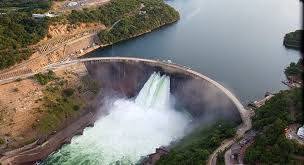
The Zambezi River Authority (ZRA) has announced an increased water allocation of 30 billion cubic metres (BCM) for electricity generation at Lake Kariba in 2026, marking a major boost for the energy sectors of Zambia and Zimbabwe.
Acting Chief Executive Engineer Christopher Chisense made the announcement while outlining the authority’s hydrological outlook and water allocation plan. He confirmed that the allocation would be shared equally between Zambia’s ZESCO Limited and the Zimbabwe Power Company (ZPC), with each receiving 15 BCM of water for electricity production.
The new allocation reflects a notable increase from the 2025 figure, which was originally set at 27 BCM before being revised to 28 BCM. The adjustment follows forecasts of normal to above-normal rainfall for the 2025/2026 season, offering optimism for improved hydropower output and reduced electricity shortages in the region.
Engineer Chisense attributed the decision to favorable rainfall projections by regional climate experts and improvements in lake levels compared to the drought-stricken conditions of 2024. Although the 2024/2025 rainy season produced normal rainfall in the Kariba Catchment, water levels remained lower than historical averages, underscoring the importance of careful management of water resources.
He also clarified that ZRA’s role is strictly regulatory, focusing on water allocation rather than power generation or load management. “While the Authority allocates water for power generation, it does not generate electricity nor manage load distribution,” he stated.
The ZRA will continue to monitor hydrological conditions through its network of 13 observation stations and issue regular updates as the rainy season progresses.
The expanded allocation is expected to enhance electricity generation at the Kariba North and South power stations, offering renewed hope for industries and consumers in both countries. The move is seen as a key step toward stabilising regional power supply and supporting economic growth across Zambia and Zimbabwe.












Leave a comment