


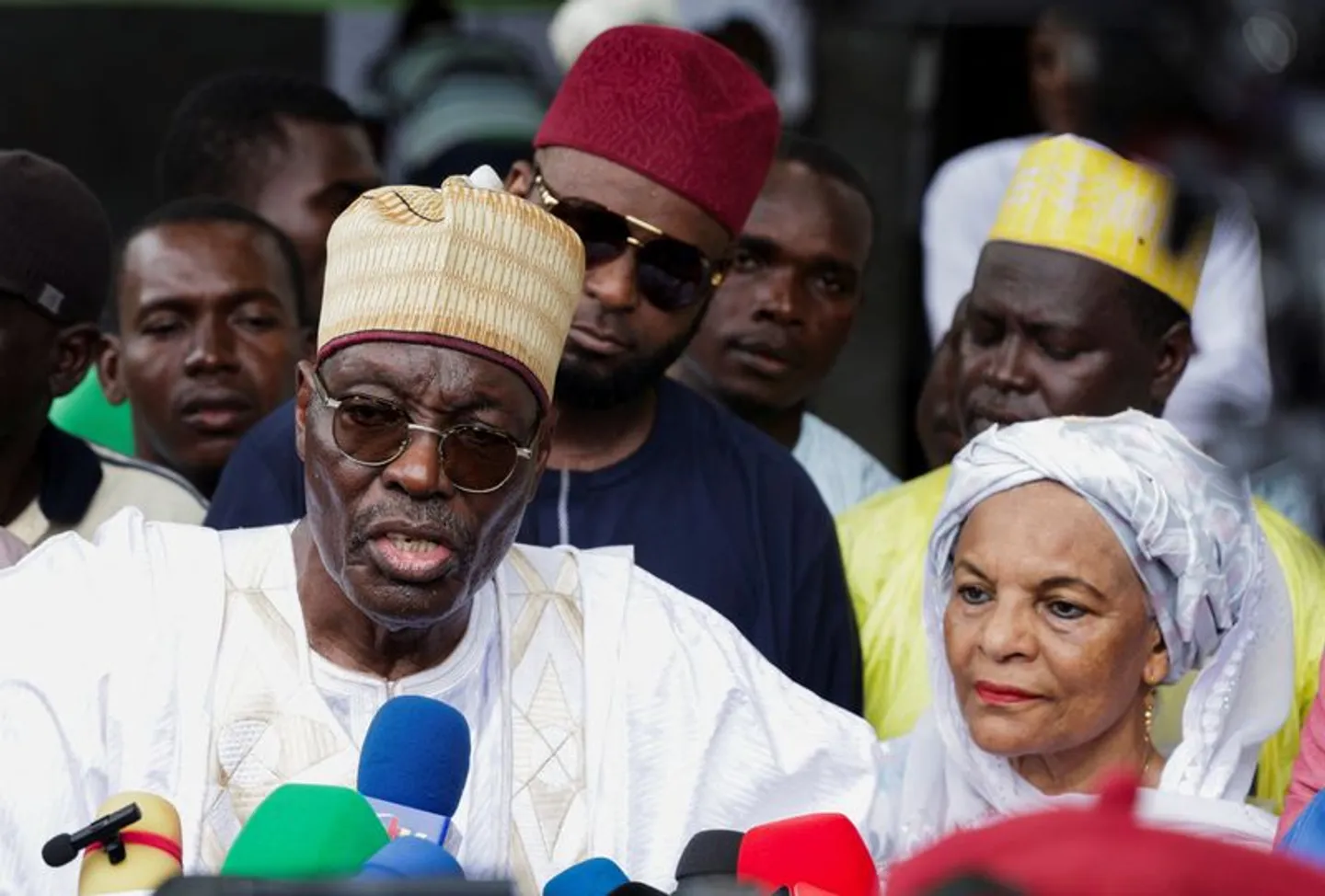
Tensions are mounting in Cameroon following the October 12 presidential election as the country’s Minister of Territorial Administration, Paul Atanga Nji, publicly rejected opposition candidate Issa Tchiroma Bakary’s self-declared victory. In a strongly worded statement issued Tuesday night, Atanga Nji accused Tchiroma of attempting to destabilize the nation and undermine the country’s democratic process.
“This crooked candidate is attempting to implement a cleverly planned diabolical plan with his occult networks at home and abroad aimed at setting Cameroon ablaze,” Atanga Nji declared, condemning what he described as a dangerous attempt to incite chaos and division. The minister’s remarks come just hours after Tchiroma, a former government spokesperson, announced that he had won the election and called on long-serving President Paul Biya to concede power.
Atanga Nji reiterated that only the Constitutional Council has the legal authority to proclaim official election results, stressing that any premature or unauthorized announcement constitutes “high treason.” The minister had issued similar warnings last week, cautioning all candidates and political actors against releasing or manipulating electoral data before the official declaration.
The declaration by Tchiroma has set off a wave of political debate and uncertainty across the Central African nation. His bold claim of victory, made early Tuesday morning, was met with celebrations among his supporters but drew swift condemnation from ruling party officials, who accused him of attempting to “usurp the will of the people.” Tchiroma, who is in his late seventies, was once a close ally of President Biya, serving as a government spokesperson and later as the Minister of Employment before resigning in 2024 to pursue his presidential ambitions.
Tchiroma’s campaign gained unexpected momentum in the months leading up to the election, attracting large crowds and endorsements from several opposition parties and civic movements. Many Cameroonians frustrated with decades of political stagnation and economic hardship saw his candidacy as a chance for renewal. His message of reform and national unity resonated strongly among youth and urban voters, who have grown increasingly vocal about corruption, unemployment, and governance issues.
President Paul Biya, who has ruled Cameroon since 1982, is one of the world’s longest-serving leaders. Now in his 90s, Biya’s tenure spans over four decades, making him the country’s second president since independence from France in 1960. His leadership has often been characterized by tight control over political institutions and repeated allegations of electoral manipulation. While Biya’s government insists that the recent vote was transparent and peaceful, opposition groups and international observers have reported irregularities in parts of the country.
As the nation awaits the official results, the atmosphere in major cities such as Yaoundé and Douala remains tense. Security forces have been deployed to prevent demonstrations or unrest following Tchiroma’s announcement. Analysts warn that the current standoff could escalate if the government responds harshly to opposition supporters or if the Constitutional Council’s decision is perceived as lacking credibility.
According to Cameroon’s Electoral Code, the Constitutional Council must proclaim the final results within fifteen days of the close of polling. Until then, all parties have been urged to exercise restraint and allow the legal process to take its course. However, with both camps standing firm the government accusing Tchiroma of plotting chaos, and the opposition insisting it has won Cameroon faces a delicate moment that could determine its democratic future.
As the international community watches closely, many are calling for calm, transparency, and respect for due process. Whether this election marks the beginning of a new political era or yet another chapter in Cameroon’s long-standing power struggle remains to be seen.






Leave a comment