


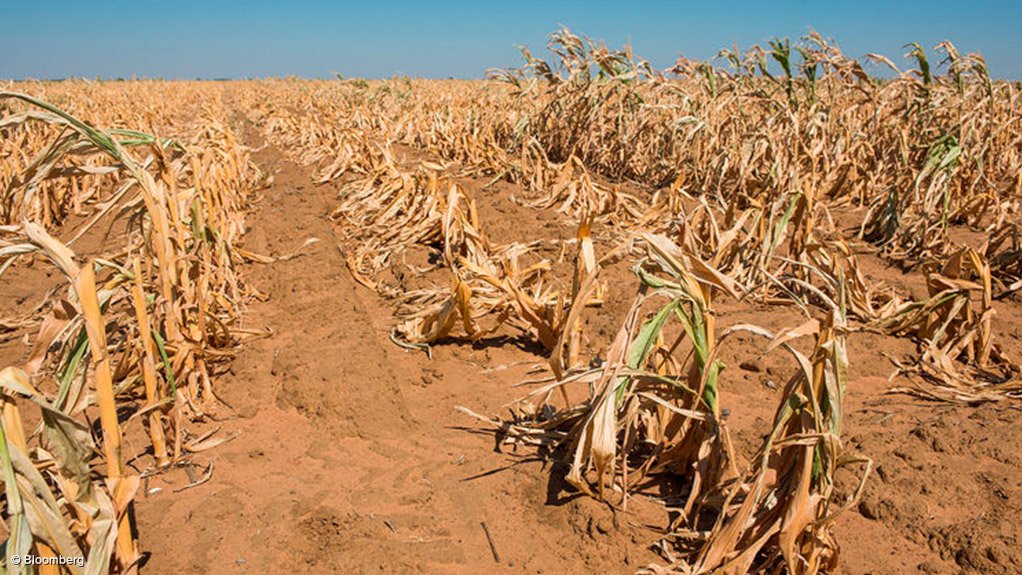
Months of drought across southern Africa, exacerbated by the El Niño weather phenomenon, have devastated the lives of over 27 million people, leading to the region’s worst hunger crisis in decades, according to a report from the United Nations’ World Food Program (WFP). The organization has warned that the situation could escalate into a “full-scale human catastrophe” if urgent action is not taken.
Five nations—Lesotho, Malawi, Namibia, Zambia, and Zimbabwe—have officially declared national disasters in response to the drought and the resulting food shortages. The WFP estimates that around 21 million children in southern Africa are now malnourished due to widespread crop failures. This is particularly alarming given that tens of millions in the region depend on small-scale, rain-fed agriculture for sustenance and income.
The WFP has highlighted the alarming progression of this crisis, noting that October marks the beginning of the lean season in southern Africa. Spokesperson Tomson Phiri stated, “Each month is expected to be worse than the previous one until the next harvests in March and April.” As crops have failed and livestock have perished, many children are fortunate to receive just one meal a day.
The drought’s impact is not confined to the five countries that have declared disasters; Angola and Mozambique are also facing severe challenges, demonstrating the widespread nature of the crisis across the region. These countries have urgently requested international assistance, as the dire situation continues to worsen.
“The situation is dire,” Phiri emphasized, revealing that the WFP requires approximately $369 million to provide immediate support but has only secured one-fifth of that amount due to a significant shortfall in donations. In response to government requests, the WFP has initiated food assistance and critical support programs to alleviate suffering.
This humanitarian crisis coincides with “soaring global needs,” with urgent aid also required in places like Gaza and Sudan. The United States Agency for International Development (USAID) has labeled this drought as the most severe in a century, particularly during the January to March agricultural season, resulting in extensive crop losses and food scarcity for millions.
The El Niño weather phenomenon, which warms parts of the central Pacific, has different effects globally. The latest El Niño, which formed in mid-2022 and ended in June, has been linked to extreme weather patterns, including prolonged heat waves. Its impacts, combined with human-induced climate change, have intensified the severity of the drought in southern Africa.
As food prices soar in drought-affected areas, the economic burden on households has increased significantly. Zambia has experienced severe electricity shortages due to its reliance on hydroelectric power from the Kariba Dam, where water levels have plummeted, causing prolonged blackouts. Zimbabwe, which shares the dam, is facing similar power outages.
In a desperate measure, authorities in Namibia and Zimbabwe have begun culling wildlife, including elephants, to provide meat for starving communities. This highlights the desperate situation faced by many as they struggle to survive amidst worsening conditions.
Scientists have warned that sub-Saharan Africa is particularly vulnerable to the impacts of climate change, primarily due to its heavy reliance on rain-fed agriculture and natural resources. As millions of livelihoods depend on climate stability, the inability of poorer countries to finance climate-resilient initiatives exacerbates their vulnerability, making it crucial for international support to be mobilized swiftly to address this growing crisis.










Leave a comment