
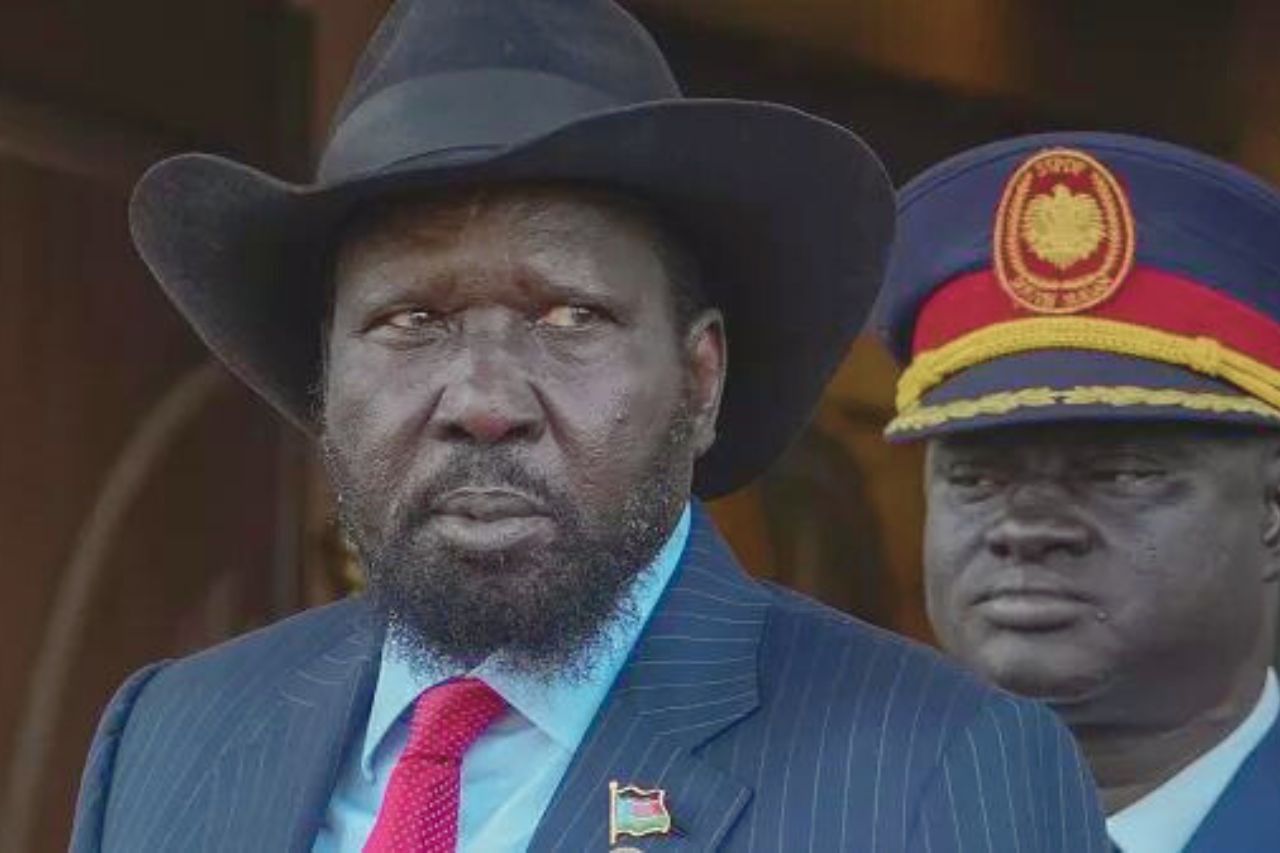
The United States, Norway, and the United Kingdom have expressed deep concern over the persistent lack of political will in South Sudan, as the country once again postpones its long-overdue elections. This latest delay underscores the deep-seated challenges within the transitional government, as leaders continue to grapple with creating the necessary conditions for credible and peaceful elections.
Continued Delays Highlight Political Dysfunction
Originally slated for December this year as part of the 2018 peace agreement that united President Salva Kiir and Vice President Riek Machar, the elections have now been postponed yet again. The agreement, which was supposed to bring stability to South Sudan after years of conflict, appears increasingly fragile as leaders fail to meet their commitments. On Sunday, the transitional government’s term officially ended, but President Kiir announced a two-year extension, further delaying the democratic process.
The “Troika Capitals” — the United States, Norway, and the UK — issued a joint statement over the weekend, criticizing South Sudan’s leadership for what they described as a “collective failure” to uphold their end of the peace deal. “This delay represents a collective failure of South Sudan’s leaders to create the conditions necessary to hold credible and peaceful elections in accordance with an established, publicly agreed-upon timeline,” the statement read.
Worsening Humanitarian Crisis
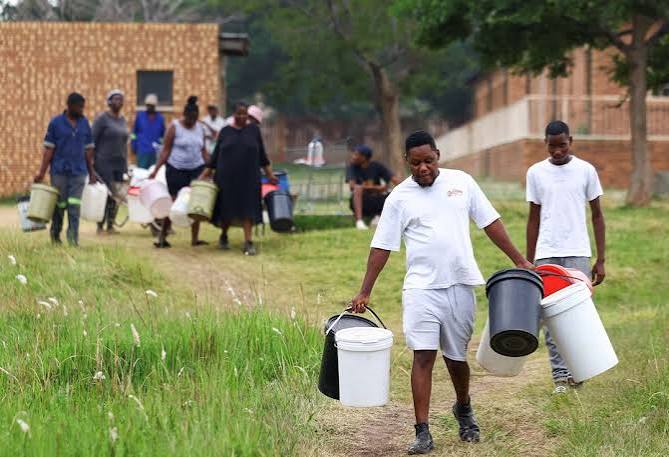
As South Sudan’s political leaders vie for power, the country’s humanitarian crisis continues to deepen. According to the latest figures, approximately 72% of South Sudan’s population—around nine million people—are in urgent need of humanitarian aid. Food insecurity remains a significant challenge, exacerbated by ongoing violence, displacement, and the country’s fragile economic state.
The Troika Capitals did not shy away from placing blame squarely on the shoulders of all parties within the coalition government. “As South Sudan’s leaders fail to organize credible and peaceful elections, the people of South Sudan suffer the consequences. Millions face acute food insecurity year after year,” the statement emphasized, reflecting the international community’s growing frustration with the slow pace of progress in the country.
UNMISS Acknowledges Election Challenges
The United Nations Mission in South Sudan (UNMISS) has also expressed reservations about the country’s readiness for elections. Nicholas Haysom, head of UNMISS, told the Revitalised Joint Monitoring and Evaluation Commission (RJMEC) plenary that the delay in holding elections was regrettable but necessary given the current state of affairs.
“It is sadly evident that the country is not ready for elections that we could confidently expect to generate a credible and peaceful outcome,” Haysom noted. He emphasized that this was the second time South Sudan had failed to meet its electoral targets, despite previous assurances that there would be no more delays.
“Two years ago, we were in an identical situation as we are today and gave our support specifically under the condition that there would be no more extensions,” Haysom added, underscoring the international community’s waning patience.
A Troubled History of Conflict and Unfulfilled Promises
South Sudan, which gained independence on July 9, 2011, as Africa’s 55th state and the world’s youngest country, has been mired in conflict almost since its inception. Following decades of civil war with Sudan, South Sudan’s own internal conflict erupted in 2013, just two years after independence. Efforts to broker peace failed multiple times, plunging the country deeper into crisis.
In 2018, the Revitalized Agreement on the Resolution of Conflict in the Republic of South Sudan (R-ARCSS) brought a brief glimmer of hope, leading to a ceasefire in 2020. However, the inability of South Sudanese leaders to adhere to agreed timelines and implement necessary reforms has continued to thwart the country’s path to stability.
The Path Forward
The repeated postponement of elections reflects a broader struggle to move beyond conflict and build a stable, democratic state in South Sudan. With international pressure mounting and the humanitarian situation worsening, the need for genuine political commitment from South Sudan’s leaders has never been more urgent. The world’s youngest nation faces a critical juncture: embrace the reforms necessary for a peaceful future or risk remaining trapped in a cycle of conflict and crisis.


Leave a comment