


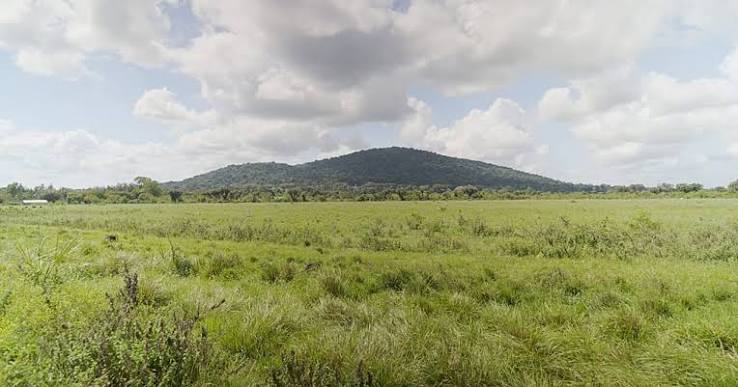
Kenya has selected a United States-led consortium as the preferred bidder for the development of the Mrima Hill rare earths and niobium deposit in Kwale County, in a move that could strengthen the country’s position in the global critical minerals supply chain.
The Ministry of Mining, Blue Economy and Maritime Affairs announced the selection of Frontier Minerals Consortium following a competitive international tender.
The consortium comprises Frontier Minerals LLC, Bunker Hill Mining Corp., ReElement Technologies and American Resources Corporation.
The project involves mineral deposits containing rare earth elements and niobium, which are used in electric vehicle motors, wind turbines, aerospace manufacturing, electronics and defence technologies.
Kenyan authorities said the selection followed a technical and financial evaluation of competing proposals, with emphasis on investors’ exploration capabilities, local mineral processing, employment opportunities, environmental protection and community development.
Cabinet Secretary for Mining, Blue Economy and Maritime Affairs Hassan Joho said the government had issued a notice of intention to award the project, stressing that the decision did not amount to the granting of a mining or prospecting licence.
Frontier Minerals must first engage host communities, landowners and county authorities, obtain the required consents and submit a formal application for a prospecting licence.
The application will be reviewed by the Mineral Rights Board before any licence can be granted. The government said no prospecting activities would be permitted until the statutory requirements had been fulfilled.
The consortium’s proposed development plan includes exploration, resource assessment, metallurgical testing and the establishment of mineral processing and refining capacity in Kenya.
Bunker Hill is expected to lead exploration and feasibility studies, while ReElement and American Resources would contribute mineral separation and refining expertise.
The project has attracted international interest because of the strategic importance of rare earth elements and niobium, particularly as the United States and other economies seek to diversify supply chains dominated by China.
However, the proposed development has raised concerns among residents and environmental advocates in Kwale County.
Mrima Hill is a forested area of cultural and ecological significance to the local Digo community. It contains sacred sites and ancestral burial grounds, while residents depend on the surrounding land for farming and other livelihoods.
Community representatives have complained that they lack sufficient information about the proposed project and have questioned how their land rights and cultural heritage would be protected.
The Mrima Hill Sacred Grove was designated a national monument in 1992, raising further questions about the compatibility of mining activities with its protected status.
The selection has also triggered objections from competing bidders. Australia’s RareX has indicated that it intends to challenge the decision, alleging irregularities in the tender process. The consortium’s selection followed an earlier dispute over the development of the deposit, including the revocation of a previous mining licence in 2013.
The Kenyan government has maintained that the latest tender was conducted through an open and competitive process, with provisions for appeals and regulatory scrutiny.
The Mrima Hill project forms part of Kenya’s wider strategy to attract investment into its mining sector, increase domestic processing of mineral resources and secure greater economic benefits from its critical minerals.
The outcome will depend on the completion of licensing procedures, community consultations, environmental safeguards and subsequent feasibility assessments.






Leave a comment