


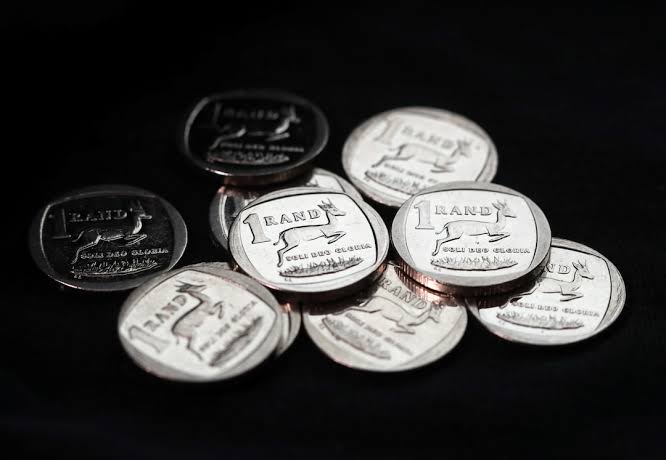
South Africa’s rand strengthened against the U.S. dollar in early trading on Monday as easing oil prices helped reduce inflation concerns, while investors monitored the outcome of municipal elections and the coalition negotiations expected to follow.
At 0642 GMT, the rand traded at 16.4875 against the dollar, gaining about 0.4% from its previous close, according to market data reported by Reuters.
The currency’s appreciation came as oil prices steadied after recent declines, easing concerns about rising fuel costs in South Africa, a net importer of petroleum products.
Lower crude prices can help reduce the country’s import bill and limit inflationary pressures, supporting the rand. However, continued uncertainty over global oil supplies remains a risk to the currency and the broader economy.
Oil market sentiment was also influenced by comments from U.S. President Donald Trump suggesting that further attacks on Iran were unlikely. Nevertheless, security concerns persisted following reports of attacks on vessels near the Strait of Hormuz, a critical route for global energy supplies.
Domestic political developments also remained in focus following South Africa’s municipal elections, in which the governing African National Congress (ANC) suffered a major setback.
The election results weakened the ANC’s position in several municipalities and increased the likelihood of coalition administrations, particularly in major urban centres. Negotiations among political parties are expected to shape local government leadership and policy priorities.
Market analysts said the coalition discussions would remain important for investors assessing the country’s political stability and prospects for effective municipal governance.
ETM Analytics said risks to the rand remained tilted to the downside, noting that investors would continue to monitor international equity market performance and the implications of coalition negotiations.
South Africa’s benchmark 2035 government bond was largely unchanged in early trading, with its yield standing at 8.3%.
The rand’s performance reflects the influence of both external economic conditions and domestic political developments on investor confidence, with movements in oil prices, global risk appetite and the formation of local government coalitions likely to remain key market drivers.












Leave a comment