


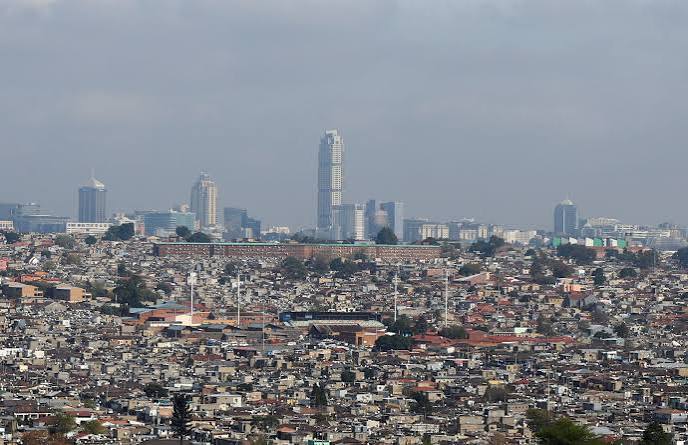
South Africa recorded a sharp increase in foreign direct investment (FDI) inflows in the second quarter of 2026, with inflows rising to 49.8 billion rand ($3.03 billion) from 20.3 billion rand in the first quarter, according to data from the South African Reserve Bank.
The increase represents more than a doubling of FDI inflows between the two quarters and marked the strongest quarterly inflow since the second quarter of 2023.
The central bank said the increase was largely driven by debt funding received by an unspecified South African telecommunications company from its nonresident parent company. The Reserve Bank did not identify the company because the transaction had not been publicly disclosed.
The latest figures come against a mixed backdrop for South Africa’s external accounts. The Reserve Bank reported that the country’s current account shifted to a deficit equivalent to 2.6% of GDP in the second quarter, from a surplus of 2.3% in the first quarter.
Portfolio investment also moved in the opposite direction during the quarter. Portfolio flows recorded a 9 billion rand outflow, compared with a 9 billion rand inflow in the first quarter, according to the central bank data.
The rise in FDI provides additional capital to the domestic economy and reflects continued cross border financial activity involving South African companies and their foreign parent firms. However, the composition of the latest inflow means it should not be interpreted solely as new investment in productive capacity, since the reported transaction involved debt funding.
FDI is an important source of external financing for South Africa, particularly for sectors requiring substantial long term capital. Foreign investment can support business expansion, infrastructure, technology transfer and employment when directed toward productive activities.
The second quarter figures therefore point to stronger direct investment flows, while the contrasting movements in portfolio investment and the current account highlight the continuing volatility of South Africa’s external financing position.










Leave a comment