


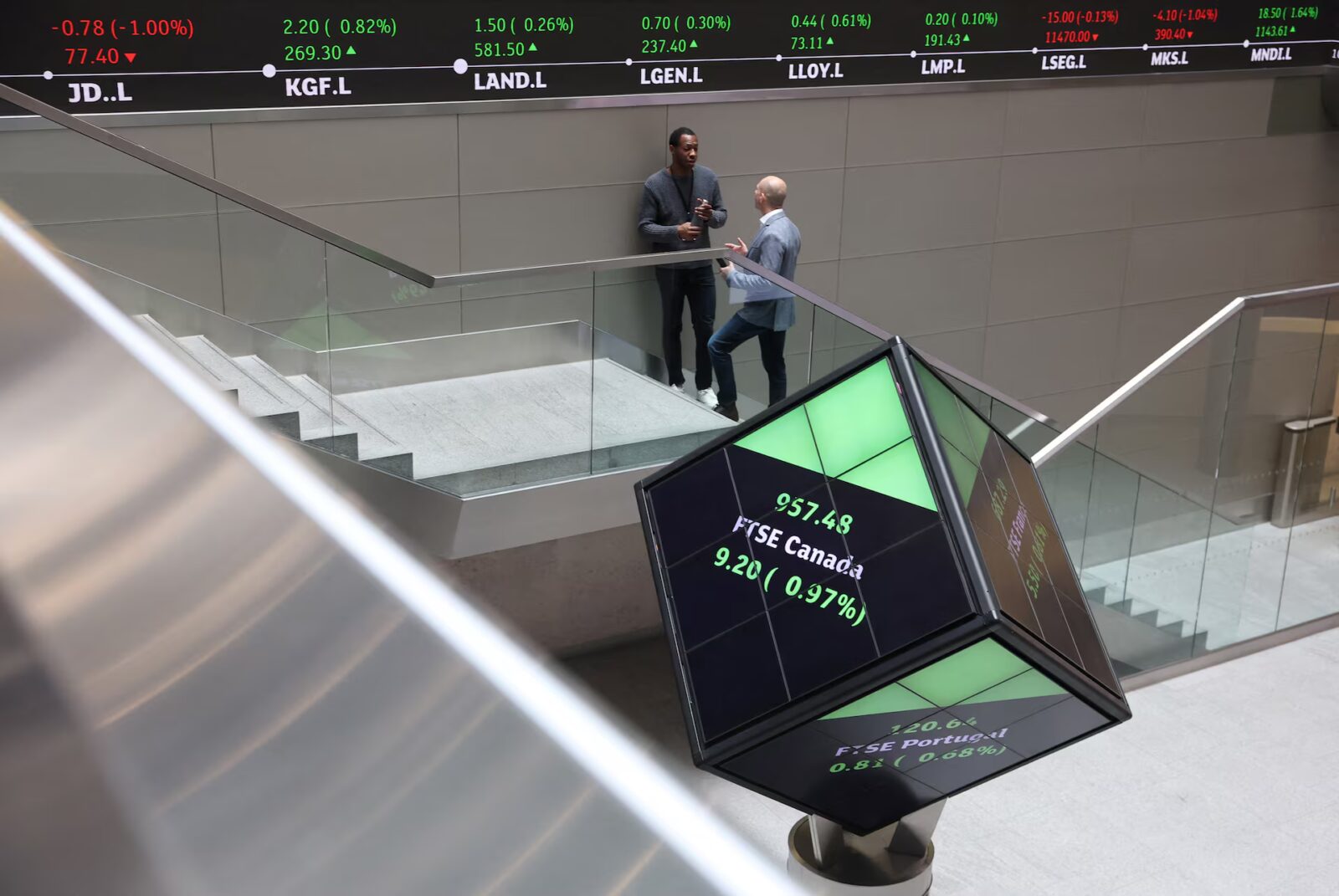
Britain’s main stock indexes are on track for their largest monthly decline since 2020, as escalating tensions in the Middle East continue to unsettle global financial markets.
The benchmark FTSE 100 and the mid cap FTSE 250 have come under sustained pressure throughout March, with investor sentiment weakened by fears that the conflict involving Iran could disrupt global energy supplies and fuel inflation.
Rising oil prices have been a key driver of market volatility, as concerns grow over potential disruptions to shipping routes such as the Strait of Hormuz, a critical artery for global crude exports. The surge in energy costs has raised the prospect of higher inflation and tighter monetary policy, weighing heavily on equities.
Recent trading sessions have reflected this uncertainty, with UK equities repeatedly slipping amid cautious investor positioning. The FTSE 100 has posted multiple declines in recent weeks, while the more domestically focused FTSE 250 has seen sharper losses, reflecting concerns about the UK’s economic outlook.
The broader European market has also been affected, with regional indexes heading for significant monthly losses as geopolitical risks dampen risk appetite.
Analysts say the scale of the expected monthly drop highlights the severity of current market conditions, drawing comparisons to the volatility seen during the 2020 stock market crash, when global markets plunged amid the COVID 19 pandemic.
Sectors such as travel, banking, and consumer goods have been particularly hard hit, as investors worry about slower economic growth and reduced consumer spending. Meanwhile, energy stocks have been among the few gainers, benefiting from higher oil prices.
Market participants remain cautious about the near term outlook, with uncertainty surrounding the duration and intensity of the Middle East conflict continuing to cloud forecasts. Economists warn that prolonged instability could further pressure equities, especially if it leads to sustained increases in energy prices and borrowing costs.
Despite occasional rebounds driven by hopes of de escalation, analysts say UK markets are likely to remain volatile until there is greater clarity on geopolitical developments and their economic impact.













Leave a comment