


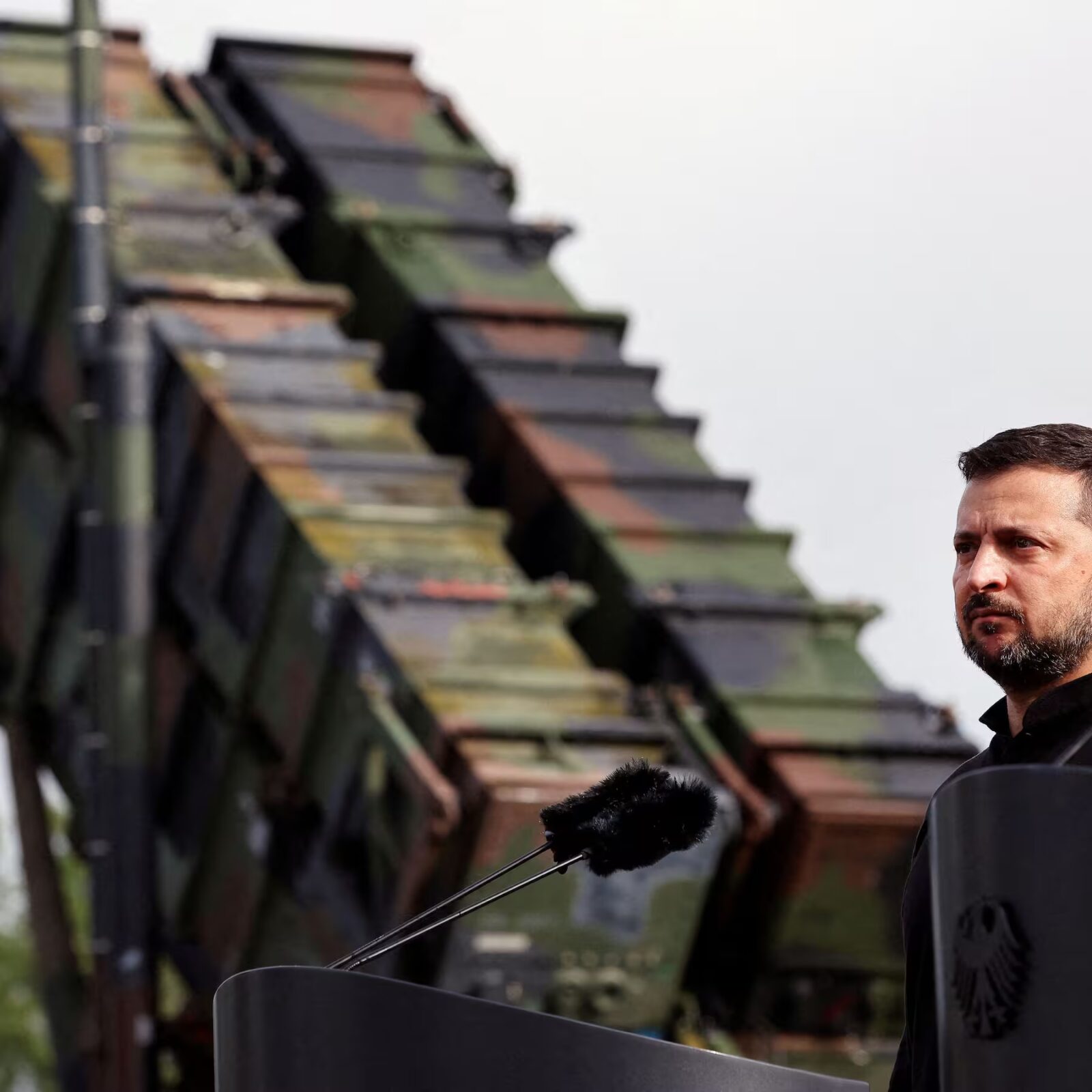
The Pentagon is considering redirecting some military resources originally intended for Ukraine to support operations in the Middle East, according to a report by the The Washington Post.
The potential shift comes as the United States ramps up its military involvement in the region amid escalating tensions with Iran. The growing demands of the conflict have raised concerns about the availability of weapons, air defense systems, and other military assets needed across multiple theaters.
Officials are said to be weighing whether certain equipment, particularly systems designed to counter drones and missile threats, should be prioritized for US forces and allies in the Middle East rather than being delivered to Ukraine. The discussion reflects broader strain on US stockpiles and the challenge of sustaining simultaneous military commitments.
Recent developments indicate that such reallocations are not without precedent. The US has previously redirected specific technologies and munitions initially earmarked for Ukraine to reinforce its own forces in the Middle East, particularly in response to threats linked to Iran and its regional allies.
The debate within the Pentagon highlights a shifting strategic landscape, where immediate operational needs in one region may influence support in another. Analysts say the intensifying Middle East conflict, combined with concerns about military readiness, is forcing policymakers to reassess priorities.
For Ukraine, any diversion of aid could have significant implications as it continues to rely heavily on Western military support in its war with Russia. Ukrainian officials have repeatedly emphasized the importance of sustained deliveries, particularly for air defense systems to counter ongoing attacks.
While no final decision has been announced, the discussions underscore the growing complexity of US global military commitments and the difficult trade-offs involved in allocating limited defense resources during a period of heightened geopolitical tension.












Leave a comment