


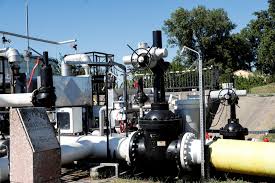
Ukraine has accepted the European Union’s offer of technical and financial assistance aimed at restoring oil flows through the Druzhba pipeline, a major energy corridor supplying Hungary and Slovakia. The decision follows weeks of disruption that halted deliveries and heightened tensions within the European Union over energy security and political coordination.
The Druzhba pipeline, one of Europe’s longest crude oil networks, has faced interruptions after reported damage to infrastructure in western Ukraine. The suspension affected supplies to Hungary and Slovakia, both of which rely heavily on the route for crude imports. The disruption prompted diplomatic engagement between Kyiv and EU institutions as member states sought a coordinated solution to stabilize energy transit.
European Union officials have emphasized the importance of maintaining reliable energy supplies across the bloc while supporting Ukraine amid ongoing security challenges. Discussions have included technical assessments, repair coordination, and the possibility of using alternative transit routes to ensure continuity of supply during restoration efforts. EU leaders have stated that support will focus on infrastructure repair and verification mechanisms to enable safe resumption of operations.
The pipeline outage has also contributed to political friction within the EU. Hungary and Slovakia have expressed concerns about the impact on their energy security and have called for swift action to resume transit. The dispute has unfolded alongside broader negotiations on financial assistance, sanctions policy, and continued support for Ukraine, adding further complexity to already sensitive discussions among member states.
Ukrainian officials have indicated willingness to work with European partners on restoring functionality, while stressing that any repairs must be conducted in a way that safeguards infrastructure and regional stability. Analysts note that the outcome of the restoration process could influence energy dynamics in Central Europe and shape future cooperation on cross border infrastructure resilience.
Efforts are now expected to focus on technical evaluations and coordinated repair work, with European institutions playing a mediating role as discussions continue on how to secure both energy stability and political consensus within the bloc.








Leave a comment