


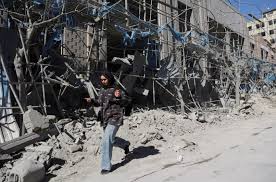
United States forces alongside Israeli military units have carried out extensive strikes on Iran, with senior U.S. commanders stating that key objectives are being achieved “ahead of our game plan.” The operations have targeted Iranian air defenses and strategic assets, and Iran has responded with its own military actions across the region, intensifying a broader conflict that has drawn global attention and concern.
The conflict has sent shockwaves through global financial markets. Major stock indexes in the United States, Europe and Asia have suffered sharp declines as investors move out of riskier assets amid uncertainty. The sell-off reflects fears that prolonged hostilities could impact economic growth and corporate earnings, while spikes in safe-haven assets such as gold indicate heightened risk aversion.
Energy markets have been particularly volatile. Crude oil prices have surged significantly, with international benchmarks such as Brent crude reaching multi-month highs following the escalation. The turmoil stems from concerns about disruptions to vital oil supply routes and production in the Middle East, especially around the Strait of Hormuz, a chokepoint for around 20 percent of global oil and gas shipments. Supply fears have pushed energy prices sharply higher, which could translate into increased fuel costs for consumers and added inflationary pressure worldwide.
The geopolitical fallout has also triggered demonstrations globally, with protests and public reactions reflecting the deep divisions around the strikes and their consequences.
Analysts warn that the duration and intensity of the conflict will be critical in determining how sustained these market disruptions and price spikes might prove. Continued escalation could keep energy markets tight and maintain pressure on stock markets, while any de-escalation could help stabilise prices and investor confidence.













Leave a comment