


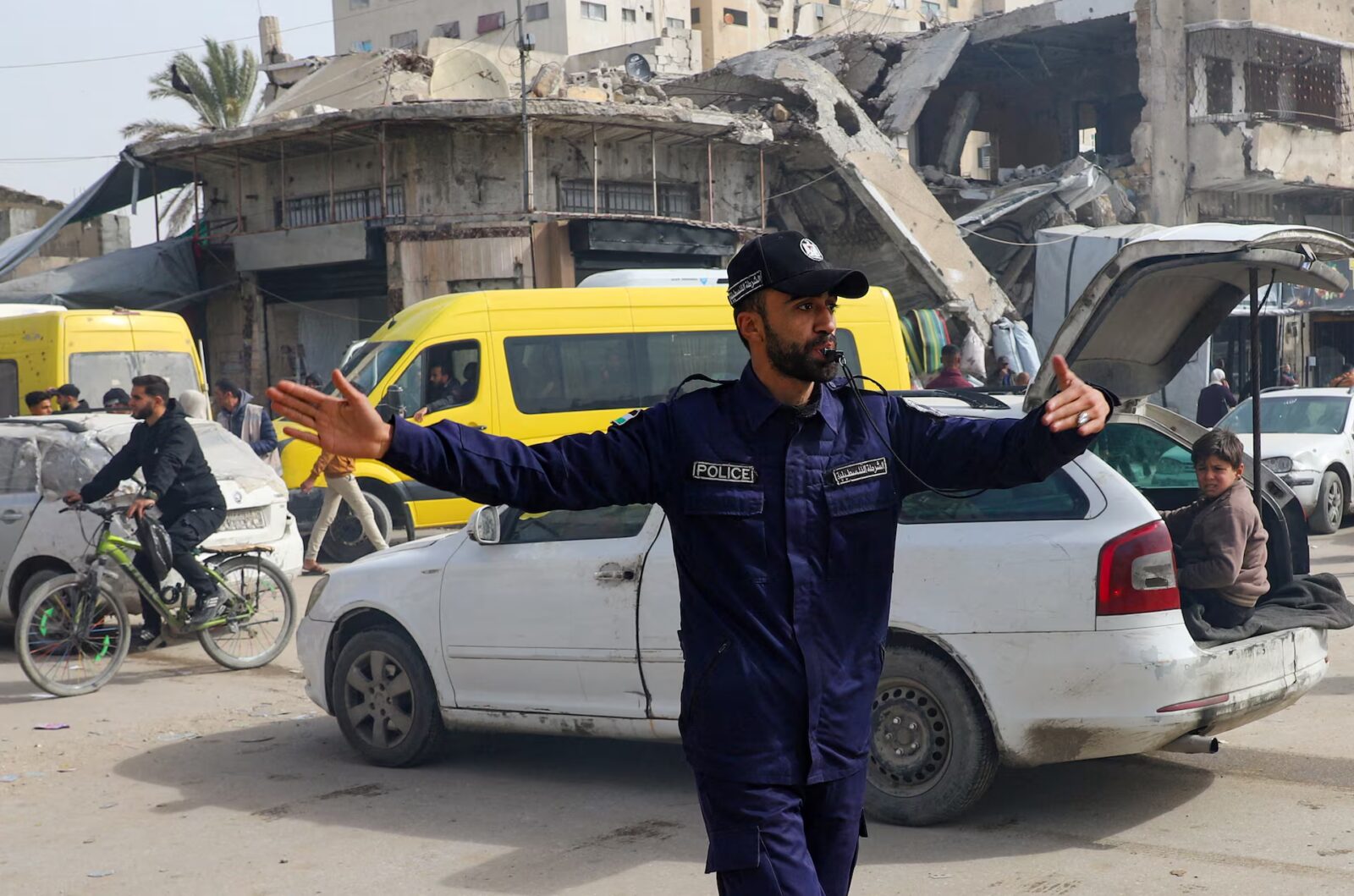
The Islamist group Hamas has moved to consolidate its authority across the Gaza Strip, strengthening internal security and administrative control even as renewed diplomatic efforts led by former U.S. President Donald Trump seek to advance a broader peace initiative in the region.
Local sources and regional analysts say Hamas has increased patrols, tightened oversight of aid distribution networks, and stepped up monitoring of rival factions in recent weeks. The group, which has governed Gaza since 2007, appears intent on reinforcing its dominance at a time of heightened political uncertainty and ongoing conflict with Israel.
The moves come as Trump and his advisers promote a peace framework aimed at reshaping regional alignments and encouraging normalization between Israel and Arab states, while seeking pathways to stabilize Gaza. Details of the proposal remain limited, but officials familiar with the discussions say it envisions security guarantees for Israel, economic incentives for Palestinians, and a restructuring of governance mechanisms in Gaza.
Hamas has publicly rejected elements of previous U.S. backed peace efforts, arguing that they sideline Palestinian national aspirations and fail to address core issues such as statehood, borders, and the status of Jerusalem. The group has also criticized regional actors that have pursued normalization with Israel without securing what it views as meaningful concessions for Palestinians.
Inside Gaza, residents face mounting humanitarian pressures. Infrastructure damage, electricity shortages, and limited access to clean water and medical supplies have compounded economic hardship. Aid agencies warn that any shift in political arrangements must account for urgent humanitarian needs and ensure unimpeded delivery of assistance.
Israeli officials maintain that Hamas bears responsibility for instability in Gaza and insist that any lasting agreement must include security arrangements that prevent the group from rearming. Israel has continued targeted operations against Hamas infrastructure, while reinforcing border security.
Political observers say Hamas’s tightening grip may be aimed at demonstrating resilience and leverage in any future negotiations. By consolidating control on the ground, the group signals that it remains a central actor in Gaza’s governance, despite international isolation and pressure.
Whether Trump’s peace push gains traction will likely depend on regional buy in, Israeli domestic politics, and the willingness of Palestinian factions to engage in a unified negotiating framework. For now, the parallel tracks of diplomacy and consolidation underscore the complexity of efforts to reshape one of the world’s most entrenched conflicts.












Leave a comment