


A new cultural attraction in Bath, England is drawing fresh attention to the life and work of Mary Shelley, the author of one of literature’s most enduring and influential novels. Mary Shelley’s House of Frankenstein, a museum dedicated to Shelley and her Gothic masterpiece Frankenstein; or, The Modern Prometheus, offers visitors an immersive experience into the world that gave rise to a story that has captivated generations.
Shelley conceived her novel in 1816 when she was just eighteen, inspired during a summer spent with poet Percy Bysshe Shelley and Lord Byron by Lake Geneva. The novel, first published in 1818, tells the story of Victor Frankenstein and the Creature he brings to life. It is widely regarded as one of the foundational works of science fiction and a profound exploration of themes such as scientific ambition, societal fear and alienation.
Located in the townhouse where Shelley lived and worked on Frankenstein, the museum brings her story to life with exhibits on her personal history, her interest in science and the cultural evolution of her creation. Highlights include an animatronic version of Frankenstein’s Creature set within a recreated laboratory and displays that trace how portrayals of the Creature have shifted over time from articulate being in the novel to the more familiar monster figure in popular culture.
Chris Harris, co founder of the museum, describes Frankenstein as “a very modern story” that continues to resonate today. He highlights how the novel’s central figure embodies fears about change and difference, describing how prejudice and rejection shape the Creature’s tragic path. His perspective underscores the enduring relevance of Shelley’s work more than two centuries after its publication.
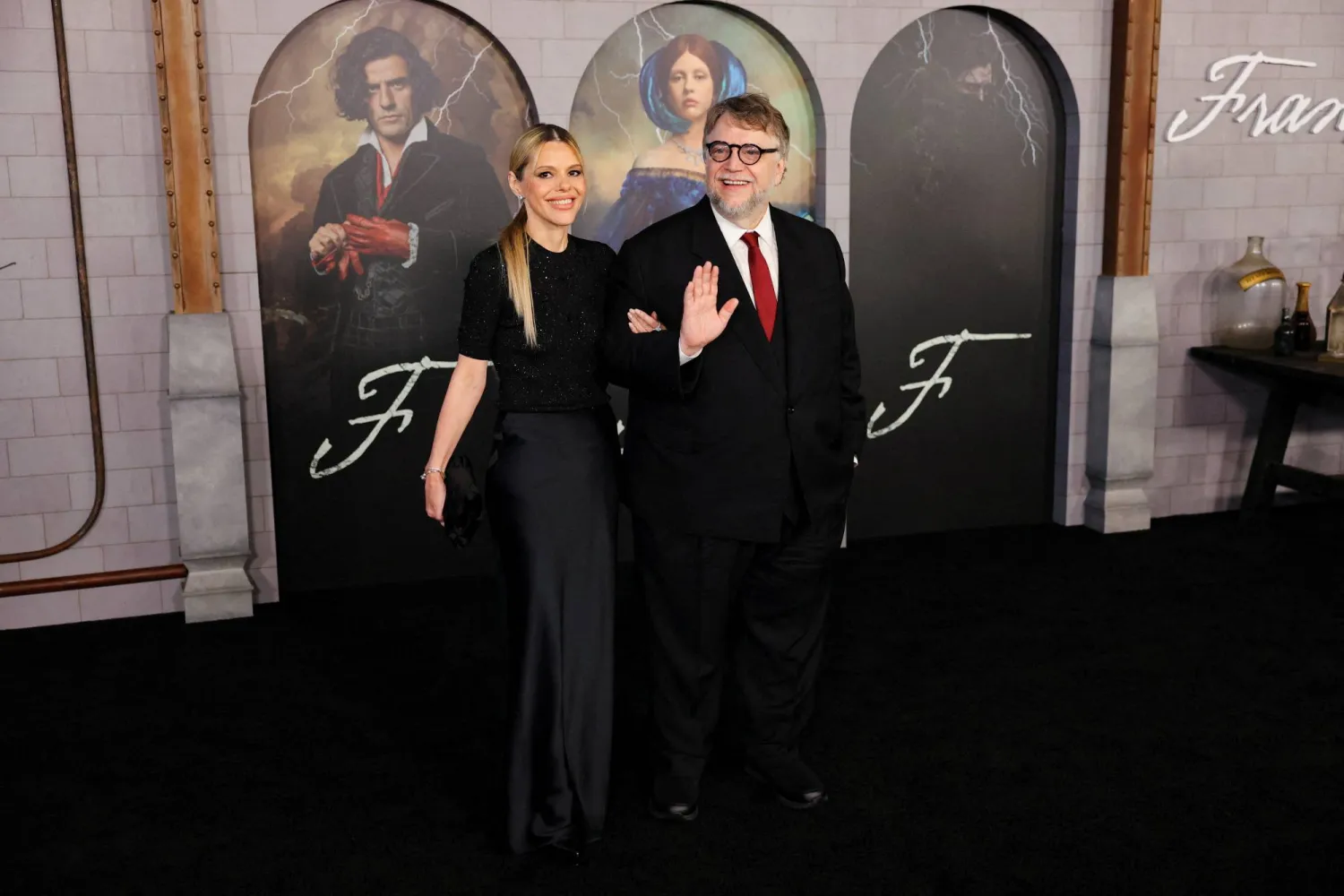
The museum’s opening coincides with renewed public interest in Frankenstein, in part fueled by recent high profile screen adaptations that have garnered critical acclaim and major awards recognition. These contemporary interpretations revisit Shelley’s original vision of a sensitive and intelligent Creature, offering audiences a deeper connection to the novel’s core ideas.
By celebrating Shelley’s remarkable creativity, the museum aims to broaden appreciation of her contributions to English literature and culture. Visitors to Bath can now explore both the historical context of Frankenstein and its ongoing impact on art, film and storytelling, reaffirming the novel’s place as a work that continues to provoke thought and inspire imagination worldwide.













Leave a comment