


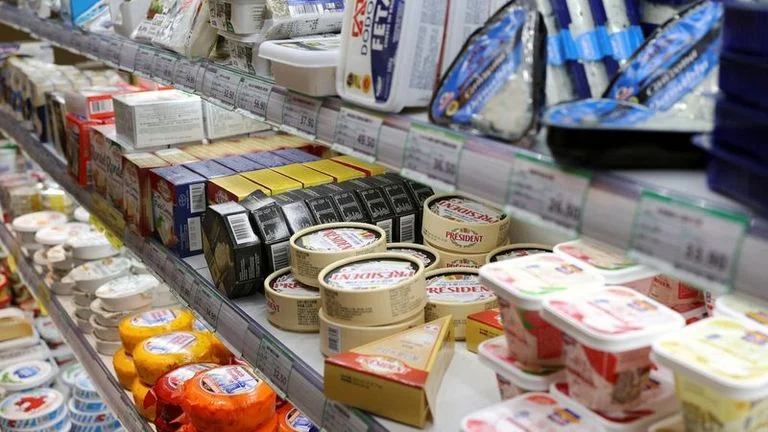
China has lowered tariffs on certain European Union dairy products in its final ruling after a lengthy anti subsidy investigation that lasted about 18 months, easing some pressure on European exporters but keeping trade tensions between Beijing and Brussels firmly in focus. The decision marks the latest development in an ongoing economic dispute shaped by competing trade policies, industrial protection measures, and geopolitical rivalry between two of the world’s largest economic blocs.
The investigation, launched in August 2024 by China’s Ministry of Commerce, examined whether European dairy producers benefited from government subsidies that unfairly undercut Chinese domestic companies. Chinese industry groups had argued that subsidized imports were harming local dairy farmers and processors, prompting authorities to initiate a detailed probe covering a wide range of products including milk, cream, and various types of cheese.
During the initial phase of the investigation, China imposed provisional duties on EU dairy imports ranging from roughly 21.9 percent to as high as 42.7 percent. These temporary measures were widely interpreted as part of a broader cycle of retaliatory trade actions following European tariffs on Chinese electric vehicles, which Beijing viewed as discriminatory. The provisional duties immediately created concern across Europe’s agricultural sector, where dairy exports to China represent an important revenue stream.
In its final calculations shared with European authorities, China significantly reduced the proposed tariffs. Industry groups reported that the revised duties now range up to about 11.7 percent, with many companies expected to face average tariffs closer to 9.5 percent. This marked a substantial drop from the earlier provisional rates and provided some relief to European exporters who feared losing competitiveness in the Chinese market.
Despite the reduction, the final ruling still imposes additional costs on EU dairy companies. Analysts say even relatively modest tariffs could shift market dynamics because dairy products often operate on tight profit margins and face intense global competition. Suppliers from countries such as New Zealand may benefit if European products become more expensive for Chinese buyers.
The dairy dispute is part of a broader pattern of escalating trade tensions between China and the European Union. Beijing has launched similar investigations into other European products including pork and brandy, while Brussels has imposed measures on Chinese industries ranging from electric vehicles to certain manufactured goods. These reciprocal actions have intensified negotiations as both sides attempt to protect domestic industries without triggering a full scale trade war.
European officials have repeatedly questioned the justification behind China’s findings, arguing that the investigations rely on insufficient evidence and unfairly target European exporters. The European Commission has also signaled that it will continue engaging in diplomatic talks with Beijing to resolve disputes and prevent further escalation.
For China, the investigation reflects broader concerns about domestic economic stability and food security. The country’s dairy industry has faced challenges including oversupply, falling milk prices, and fluctuating demand. By imposing tariffs, Chinese authorities aim to shield local producers from foreign competition while maintaining leverage in ongoing trade negotiations with the European Union.
The final ruling is expected to shape future trade relations between the two powers. While the reduced tariffs suggest a willingness to compromise, ongoing disagreements over industrial policy, subsidies, and market access remain unresolved. Observers say the outcome underscores the delicate balance both sides must maintain between defending domestic interests and sustaining mutually beneficial trade partnerships in an increasingly competitive global economy.












Leave a comment