


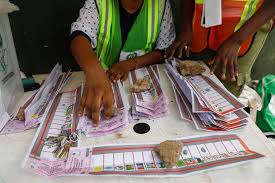
Nigeria’s Senate has reversed its earlier rejection of real‑time electronic transmission of election results, bowing to mounting pressure from labour unions, civil society groups, and the legal community. The decision marks a significant shift in the country’s electoral reform debate, coming just days after lawmakers voted against mandating immediate electronic uploads of results following vote counts. Reform advocates have long argued that real‑time transmission is essential to reducing interference during manual collation, strengthening transparency, and minimizing disputes.
The reversal follows intense public outcry. Civil society organisations accused senators of undermining confidence in the electoral system, while the Nigerian Bar Association warned that refusing to mandate uploads “creates room for disputes” and erodes trust in the process. Over the weekend, the Nigeria Labour Congress escalated pressure by threatening nationwide strikes or even an election boycott if the clause was not restored. NLC President Joe Ajaero bluntly stated that failure to include electronic transmission “will lead to mass action before, during and after the election, or total boycott of the election.”
Some senators had previously argued that insecurity in parts of the country and limited internet coverage made real‑time transmission impractical. However, reform advocates dismissed these concerns, insisting that the risks of manipulation and fraud during manual collation far outweigh logistical challenges. The Senate’s reversal suggests that lawmakers were ultimately persuaded by the scale of public opposition and the potential consequences of ignoring reform demands.
Nigeria’s next general election is scheduled for February 2027, when President Bola Tinubu will seek a second and final term. The adoption of real‑time electronic transmission is expected to play a pivotal role in shaping the credibility of that vote. For many Nigerians, the Senate’s decision represents a victory for transparency and accountability, and a sign that sustained civic pressure can influence legislative outcomes.
This development sets the stage for a more contentious but potentially more credible electoral process in 2027, as stakeholders continue to push for reforms that safeguard the integrity of Nigeria’s democracy.













Leave a comment