


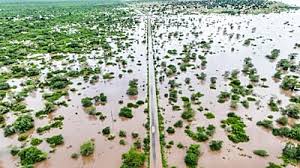
Mozambique is grappling with its worst flooding in decades, only months after parts of the country began recovering from a devastating drought, underscoring the growing impact of climate extremes on one of southern Africa’s most vulnerable nations.
According to the United Nations, nearly 700,000 people have been affected by the floods, with more than 100,000 forced to flee their homes and seek refuge in temporary shelters. Entire communities have been submerged as rivers burst their banks, washing away homes, farmland, roads, and critical infrastructure across several provinces.
Humanitarian agencies warn that conditions in many displacement sites are deteriorating rapidly. Severe overcrowding is creating heightened risks, particularly for women, girls, the elderly, and people with disabilities. Limited access to clean water, sanitation, and healthcare has increased concerns about the spread of disease, while protection risks such as gender based violence and exploitation are rising in overstretched shelters.
The World Food Programme said it is urgently scaling up its response to reach up to 450,000 people with life saving food and nutrition assistance. However, the agency says it needs an additional $32 million to sustain and expand operations in the coming weeks.
To reach communities cut off by washed out roads and collapsed bridges, humanitarian teams are deploying specialised vehicles, boats, trucks, aircraft, and helicopters. Many rural areas remain inaccessible by land, complicating efforts to deliver aid and assess the full extent of the damage.
UN agencies have stressed that the crisis is far from over. With more rainfall forecast in the coming weeks, further flooding and displacement are expected. Ross Smith, the World Food Programme’s emergency response chief, warned that funding constraints are severely limiting the response, noting that available funding is down about 40 percent compared with last year.
“The scale of needs is rising just as resources are shrinking,” Smith said, adding that without rapid international support, the humanitarian situation could deteriorate sharply.
The UN refugee agency UNHCR is also appealing for $38.2 million for 2026 to provide protection services, shelter support, and essential assistance in overcrowded displacement sites. The agency warned that without adequate funding, the most vulnerable will face increased exposure to violence, exploitation, and the denial of basic services.
The floods have once again highlighted Mozambique’s vulnerability to climate shocks, with aid agencies calling for both immediate humanitarian assistance and longer term investment in climate resilience to prevent repeated cycles of disaster and recovery.











Leave a comment