


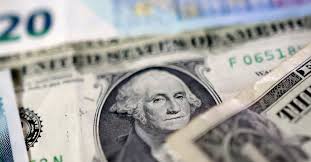
The U.S. dollar held onto its recent gains on Monday as investors assessed what a Federal Reserve led by President Trump’s reported pick, Kevin Warsh, might mean for monetary policy, while plunging precious metals and oil prices pressured commodity-linked currencies.
The sell-off in commodities, including gold and crude oil, spilled over into equity markets in Asia and Europe, marking a cautious start to the week. Traders are navigating a dense calendar of events, including central bank meetings, top-tier economic data releases, and a national election in Japan, all of which could sway global markets.
Gold, after hitting record highs last week, fell sharply to $4,677.17 per ounce, extending losses from the prior session. Oil prices also retraced earlier gains, as easing concerns over potential U.S.-Iran tensions reduced fears of supply disruptions. Commodity-linked currencies such as the South African rand and the Canadian dollar came under pressure, reflecting the impact of lower resource prices on export-dependent economies.
Investors remain focused on the potential direction of U.S. monetary policy, with Kevin Warsh seen as a relatively cautious choice who may favor lower interest rates but could limit aggressive stimulus measures. “Markets are pricing in both uncertainty and opportunity,” said a currency strategist in London. “The dollar is strong, but the ripple effects on commodities and emerging markets are evident.”
Equity markets across Europe and Asia opened cautiously, with investors weighing corporate earnings, macroeconomic releases, and geopolitical developments. The combination of falling commodities, Fed speculation, and global political events is contributing to a volatile environment for both currencies and risk assets.
This sets the stage for a closely watched week in markets, with central bank statements, U.S. economic indicators, and international events likely to determine the near-term trajectory of currencies, commodities, and equities.












Leave a comment