


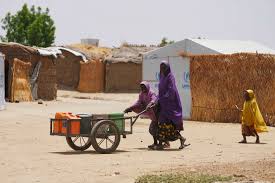
A catastrophic hunger crisis in northeastern Nigeria is poised to worsen dramatically as the United Nations World Food Programme warns it will be forced to slash food assistance to more than one million vulnerable people within weeks. The looming cuts come amid escalating violence, mass displacement, and record levels of hunger, threatening to strip millions of their last lifeline to survival.
In a statement released on Thursday, the WFP said it would be compelled to sharply scale back its life saving operations as early as February due to a critical lack of funding. The agency expects to reach only about 72,000 people, a drastic reduction from the 1.3 million individuals it supported during last year’s lean season, when food shortages typically peak. WFP officials said their resources are now effectively exhausted, leaving them unable to sustain operations at anything close to previous levels.
For nearly a decade, the WFP has been a central pillar of humanitarian support in northeastern Nigeria, assisting close to two million people annually since 2015. The region, particularly the states of Borno, Adamawa, and Yobe, has endured years of conflict driven by insurgency, counterinsurgency operations, and criminal violence. These overlapping crises have devastated livelihoods, uprooted communities, and severely weakened local food systems.
The funding crisis comes at a moment of unprecedented need. According to WFP projections, a record 35 million people across Nigeria are expected to face severe hunger this year, the highest number ever recorded by the agency in the country. Rising food prices, economic pressures, and the lingering effects of climate shocks are compounding the impact of insecurity, pushing millions closer to starvation.
Violence remains a key driver of the emergency in the northeast. Armed attacks have displaced an estimated 3.5 million people, destroyed crops and food reserves, and made farming impossible in many rural areas. Insecurity has forced families to abandon their land, cutting off access to agriculture just as inflation makes food increasingly unaffordable. The situation has been underscored by recent high profile attacks, including the kidnapping of more than 150 worshippers in coordinated assaults on churches last week, highlighting the persistent threat faced by civilians.
The WFP says the crisis has been further deepened by wider cuts to international food aid. Large scale reductions in United Nations assistance, following funding cuts by the United States to USAID, have had a ripple effect across multiple humanitarian operations. Nigeria is among several countries where these reductions have sharply intensified food insecurity, leaving aid agencies struggling to prioritise who receives help and who is left out.
As a result of these financial pressures, the WFP had already been forced to limit nutrition programmes across West and Central Africa last July. Now, with funds running even lower, the agency warns that the suspension of food aid in northeastern Nigeria could have consequences far beyond hunger alone.
Nigeria WFP Country Director David Stevenson cautioned that the impending cuts would carry disastrous humanitarian, security, and economic repercussions. He warned that millions of people who are already displaced, malnourished, and traumatised by years of conflict could be pushed into extreme desperation, increasing the risk of disease, social breakdown, and further instability.
Humanitarian experts warn that without urgent new funding, the situation could quickly spiral into a full scale famine in some communities. Children, pregnant women, and the elderly are expected to be among the hardest hit, with long term consequences for health, education, and economic recovery.
As northeastern Nigeria stands on the edge of an even deeper crisis, aid agencies are urging the international community to act swiftly. Without immediate financial support, the withdrawal of food assistance risks undoing years of humanitarian progress and leaving millions to face hunger with no safety net in one of Africa’s most fragile regions.









Leave a comment