


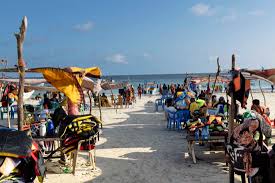
Residents of Somalia’s capital, Mogadishu, have expressed deep anger and frustration following remarks made by United States President Donald Trump during his speech at the World Economic Forum in Davos. Trump’s comments, in which he disparaged Somalis living in the United States as “low IQ” and dismissed Somalia as having “no government” and being “barely a state,” have been widely condemned as racist, inflammatory, and diplomatically reckless.
The remarks have struck a particularly sensitive nerve in Somalia, a country that has spent decades struggling to rebuild its institutions after prolonged conflict and state collapse. Many residents say Trump’s words reflect a profound ignorance of Somalia’s political realities and the contributions of Somali communities around the world.
Speaking in Mogadishu, local resident Said Ahmed described Trump’s comments as emblematic of a broader disregard for international norms. According to him, the US president appears unconcerned with diplomatic standards or respect between nations. He argued that such rhetoric not only undermines relations between countries but also legitimises prejudice against already marginalised communities.
Trump also singled out Minnesota Congresswoman Ilhan Omar for criticism, a move that further angered Somalis both at home and in the diaspora. Omar, one of the most prominent Somali American political figures, has long been a target of Trump’s rhetoric. Somali officials and community leaders say attacks on her are often intertwined with broader hostility toward Somali immigrants.
Somalis living in the United States have faced sustained political pressure in recent years, particularly around immigration. Earlier this month, the Trump administration announced plans to end temporary protected status for Somali immigrants, a decision that could expose thousands to deportation despite ongoing insecurity in their home country. Many view Trump’s Davos comments as reinforcing policies that stigmatise and criminalise Somali communities abroad.
Another Mogadishu resident, Adnan Ahmed, said Trump’s language was not only offensive but also damaging to his own credibility. He described the president’s behaviour as erratic and unhealthy, arguing that such statements do little to reflect the realities of Somali resilience and success. While acknowledging the hurt caused by the remarks, Ahmed stressed that many Somalis remain focused on rebuilding their country and contributing positively wherever they live.
Others were more direct in their condemnation. Hayat Mohamed, also speaking from Mogadishu, said Somalis have made meaningful contributions to the United States and other countries, particularly in business, healthcare, and public service. She argued that Trump’s failure to recognise this reality shows a lack of respect that could ultimately harm America’s own standing in the world. Mohamed added that she hopes Somalia’s government will formally respond to what she described as deeply insulting remarks.
The backlash has not been limited to Somalia. Trump’s Davos speech has been widely criticised in the United States and internationally, with civil rights groups and political leaders calling it racist and divisive. In Minnesota and Maine, where significant Somali populations reside, immigration enforcement actions targeting Somali immigrants have triggered protests and public outrage. Community leaders warn that such measures, combined with inflammatory political rhetoric, risk further marginalising Somali Americans and inflaming social tensions.
For many Somalis, Trump’s remarks have reinforced long standing concerns about how Africa and Africans are portrayed in global political discourse. Residents in Mogadishu say they want recognition of Somalia’s challenges, but also respect for its people, their dignity, and their ongoing efforts to rebuild a stable and functioning state.
As anger continues to simmer, the episode has highlighted the enduring impact of political language on international relations and diaspora communities. For Somalis at home and abroad, the comments from Davos are seen not as isolated words, but as part of a broader narrative that they are determined to challenge.







Leave a comment