


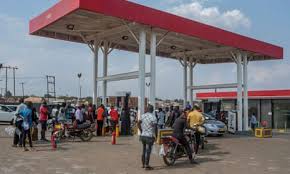
Malawi’s energy regulator has announced a sharp increase in fuel prices, marking the second hike in just four months. The Malawi Energy Regulatory Authority (MERA) implemented the measure on Tuesday, citing the need to prevent fuel shortages and preserve the country’s limited foreign exchange reserves.
Under the new pricing, petrol will cost 4,965 kwacha ($2.90) per litre, representing an increase of nearly 42 percent. Diesel has been raised by approximately 41 percent to 4,945 kwacha per litre. These adjustments are among the steepest in recent years and are expected to have immediate effects on transportation, logistics, and the cost of goods and services across the country.
MERA explained that the decision was necessary to stabilize the fuel supply chain. Malawi, which relies heavily on imported petroleum products, faces mounting challenges due to global oil price volatility and a shortage of foreign currency to pay for imports. By adjusting domestic fuel prices, the regulator aims to ensure that supply remains uninterrupted while protecting scarce reserves needed for essential imports.
The price increase comes after an earlier hike, demonstrating the government’s limited options in addressing the country’s energy and economic constraints. Analysts warn that repeated fuel price adjustments could place additional pressure on households and businesses already struggling with inflation and rising living costs. Transportation costs, in particular, are expected to rise sharply, potentially affecting agricultural distribution, trade, and everyday commuting.
While MERA emphasised that the hike is a preventive measure to avoid fuel shortages, citizens may experience the immediate burden at the pump. Consumer groups and industry stakeholders are likely to monitor the situation closely, given the potential for public dissatisfaction and disruption to economic activity.
The move highlights the broader economic challenges facing Malawi, including dependency on imported energy, limited foreign reserves, and vulnerability to global commodity price swings. As the country navigates these pressures, fuel pricing decisions are expected to remain a key policy tool, balancing supply security with affordability concerns for citizens and businesses alike.
Malawi’s latest fuel price adjustment underscores the delicate intersection between energy policy, economic stability, and public welfare, reflecting the difficult choices regulators must make in a resource constrained environment.













Leave a comment