


In south Minneapolis, fear of arrest by Immigration and Customs Enforcement agents has begun to reshape daily life, leaving once vibrant commercial spaces quiet and half empty. The impact is being felt most acutely within the city’s large Somali community, which business owners say has been repeatedly targeted under policies and rhetoric associated with former US president Donald Trump.
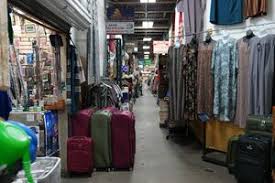
On a recent afternoon, rows of shops stood shuttered inside Karmel Mall, a sprawling hub that is usually alive with customers, conversation, and commerce. The complex is home to more than a hundred Somali owned small businesses, ranging from clothing stores and grocery outlets to bakeries, insurance firms, and accounting services. Midday is typically one of its busiest periods, yet the atmosphere had shifted dramatically.
The mall’s wide hallways were unusually quiet. The hum of the central heating system and the soft recitation of the Quran from a few open shops replaced the usual din of bargaining voices and foot traffic. The smell of fried snacks still drifted from bakeries, but many vendors sat alone behind their counters, watching the corridors and waiting for customers who never came.
Business owners said the slowdown has little to do with prices or seasonal trends. Instead, it is driven by fear.
According to several vendors, both sellers and customers are staying away because of anxiety over possible encounters with federal immigration agents. That fear cuts across legal status. Citizens, permanent residents, asylum seekers, and undocumented migrants alike are wary of being questioned, detained, or caught up in enforcement actions.
Some shop owners said they no longer open their businesses every day because they expect no customers. Others shorten their hours or rely on family members to run errands. Customers, meanwhile, are avoiding public spaces, limiting outings to what they see as absolute necessities.
For the Somali community, the concern is heightened by a history of feeling singled out. Many residents recall past immigration raids, surveillance, and political rhetoric that painted Somali Muslims as security threats. Even without visible enforcement activity, the perception of risk has been enough to paralyse normal routines.
The economic consequences are mounting. Karmel Mall is not just a shopping centre but a social and cultural anchor for Minneapolis’s Somali population. When businesses close and foot traffic disappears, livelihoods suffer and community life frays. Shopkeepers worry that prolonged fear could permanently damage businesses built over decades by refugees and immigrants who once saw the United States as a place of stability and opportunity.
As uncertainty lingers, the silence inside Karmel Mall reflects more than a temporary slowdown. It signals how immigration enforcement fears can ripple through entire communities, reshaping behaviour, weakening local economies, and leaving vibrant public spaces subdued by anxiety.







Leave a comment