


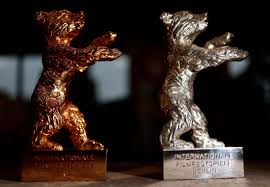
As preparations gather pace for the 76th Berlin International Film Festival, set to run from 12 to 22 February, festival director Tricia Tuttle made a visit to the historic foundry where one of cinema’s most recognisable trophies is brought to life. Inside the workshop, craftsmen continue a tradition that stretches back to the early years of the Berlinale in the 1950s, producing the iconic Golden and Silver Bears that have come to symbolise excellence in world cinema.
The design of the Berlinale Bear is rooted in Berlin’s identity. It is based on a standing bear sculpture created in 1932 by renowned artist Renée Sintenis, who drew inspiration from the bear featured on the city’s coat of arms. From the very beginning, the figure was intended to reflect strength, resilience and artistic spirit, qualities the festival has sought to celebrate throughout its history.
Over the decades, the trophy has undergone only subtle refinements. The proportions have been gently adjusted and the surface finish slightly refined, but the essence of the original design has been carefully preserved. What has remained almost entirely unchanged is the casting process itself. Molten metal is poured into moulds using techniques passed down through generations, underscoring a commitment to craftsmanship that mirrors the festival’s respect for cinematic tradition.
Each finished Bear stands at approximately 20 centimetres tall and weighs around four kilograms. Its solid heft is often remarked upon by filmmakers as they lift the award on stage, a physical reminder of the significance and prestige attached to the honour. For many winners, the weight of the trophy becomes a metaphor for the years of work, sacrifice and creative effort that led to that moment.
Tricia Tuttle’s visit highlighted how the Berlinale is not only a showcase for contemporary cinema but also a guardian of cultural heritage. In an era of rapid technological change, the continued use of traditional casting methods serves as a quiet statement about the enduring value of craft, history and authenticity.
As the festival approaches, the foundry’s steady rhythm of work ensures that the next generation of Bears will be ready to be handed to filmmakers from around the world. Each one carries with it decades of history, the identity of Berlin, and the timeless connection between art and the hands that shape it.









Leave a comment