


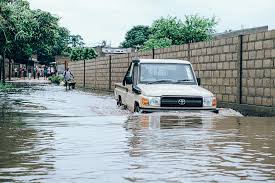
Severe flooding in South Africa’s northern provinces of Limpopo and Mpumalanga has triggered a humanitarian and environmental emergency, forcing the temporary closure of the world famous Kruger National Park and the evacuation of guests and staff by helicopter. The extreme weather has already claimed lives, displaced communities and heightened fears of further destruction as heavy rainfall continues across the region.
Authorities say at least 19 people are believed to have died in recent weeks as a result of flooding caused by persistent torrential rains. Rivers have burst their banks, roads have been washed away and entire neighbourhoods have been cut off, leaving emergency responders struggling to reach some of the worst hit areas.
One of the most heartbreaking cases occurred in the town of Giyani in Limpopo, where a five year old boy lost his life after being swept away by floodwaters. President Cyril Ramaphosa visited the area to assess the damage and met with the child’s family to offer his condolences. During his visit, the president acknowledged the devastating impact of the floods on already vulnerable communities and pledged government support for relief and recovery efforts.
The flooding has also had serious implications for tourism and conservation. Kruger National Park, one of Africa’s largest and most visited wildlife reserves, announced the suspension of visits after rising water levels damaged infrastructure and made several areas inaccessible. Park authorities confirmed that some tourists and staff had to be evacuated by helicopter as roads became impassable and safety risks escalated. Officials said the decision was taken to protect lives, noting that further rainfall could worsen conditions within the park.
Wildlife experts have also expressed concern about the impact of flooding on animal habitats, particularly young animals and species living close to rivers. While flooding is a natural occurrence in many ecosystems, the scale and intensity of the current rains have raised questions about climate variability and the increasing frequency of extreme weather events in southern Africa.
The South African Weather Service has issued a red level 10 warning for affected areas, its highest alert level. The warning forecasts additional heavy rainfall and urges communities to remain vigilant, avoid flooded areas and follow instructions from local authorities. Disaster management teams have been placed on high alert, with emergency shelters opened in some locations to accommodate displaced residents.
As rescue and recovery operations continue, the floods have once again exposed the vulnerability of infrastructure, particularly in rural and peri urban communities. Damaged roads, overwhelmed drainage systems and informal housing settlements located near waterways have amplified the human cost of the disaster.
With more rain expected, authorities are racing against time to prevent further loss of life. For many families in Limpopo and Mpumalanga, the coming days will be critical, as they wait for the waters to recede and begin the difficult process of rebuilding homes, livelihoods and a sense of normalcy.












Leave a comment