


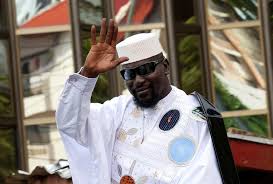
Guinea’s Supreme Court has formally validated the results of the country’s recent presidential election, confirming a decisive victory for junta leader Mamady Doumbouya with 86.72 percent of the vote. The ruling, delivered on Sunday, upholds provisional results announced earlier in the week following the December 28 poll.
According to the court’s final tally, Abdoulaye Yéro Baldé placed a distant second with 6.59 percent of the vote, unchanged from the provisional outcome. Baldé had initially filed a legal challenge contesting the results but later withdrew his complaint voluntarily, a move confirmed by the Supreme Court’s First President, Fode Bangoura, during the announcement of the certified results.
The election marked a significant moment in Guinea’s political transition following the 2021 military coup that brought Doumbouya to power after the removal of former president Alpha Condé. While authorities presented the vote as a step toward restoring constitutional order, the process was controversial, with several prominent opposition figures excluded from the ballot. This absence fueled criticism from political groups and civil society actors who questioned the competitiveness and inclusiveness of the election.
In his first national address after the official results were released, President elect Doumbouya struck a conciliatory and unifying tone. He rejected the idea of division, insisting that the outcome should not be seen in terms of winners and losers.
“Today, there are neither winners nor losers. There is only one Guinea, united and indivisible,” he said in a late Sunday broadcast. He called on citizens to join him in building what he described as a new Guinea founded on peace, justice, shared prosperity, and fully assumed political and economic sovereignty.
Doumbouya’s message appeared aimed at reassuring a population that has endured years of political instability, economic hardship, and strained relations with regional and international partners. Since the 2021 coup, Guinea has faced pressure from West African leaders and international bodies to return to civilian rule through credible democratic processes.
Supporters of the president elect argue that the election provides much needed legitimacy to his leadership and offers an opportunity to reset Guinea’s political trajectory. Critics, however, maintain that the overwhelming margin of victory and the exclusion of key opposition voices raise serious questions about democratic standards and political openness.
As Doumbouya prepares to consolidate power under a renewed mandate, attention will now turn to how his administration governs. Many Guineans and international observers will be watching closely to see whether his pledge of unity translates into meaningful political dialogue, institutional reforms, and improved living conditions for citizens.
The Supreme Court’s decision closes the legal chapter on the election, but the broader debate about Guinea’s democratic future and the credibility of its transition process is likely to continue well beyond the announcement of the final results.Guinea Supreme Court Confirms Mamady Doumbouya’s Landslide Election Victory
Guinea’s Supreme Court has formally validated the results of the country’s recent presidential election, confirming a decisive victory for junta leader Mamady Doumbouya with 86.72 percent of the vote. The ruling, delivered on Sunday, upholds provisional results announced earlier in the week following the December 28 poll.
According to the court’s final tally, Abdoulaye Yéro Baldé placed a distant second with 6.59 percent of the vote, unchanged from the provisional outcome. Baldé had initially filed a legal challenge contesting the results but later withdrew his complaint voluntarily, a move confirmed by the Supreme Court’s First President, Fode Bangoura, during the announcement of the certified results.
The election marked a significant moment in Guinea’s political transition following the 2021 military coup that brought Doumbouya to power after the removal of former president Alpha Condé. While authorities presented the vote as a step toward restoring constitutional order, the process was controversial, with several prominent opposition figures excluded from the ballot. This absence fueled criticism from political groups and civil society actors who questioned the competitiveness and inclusiveness of the election.
In his first national address after the official results were released, President elect Doumbouya struck a conciliatory and unifying tone. He rejected the idea of division, insisting that the outcome should not be seen in terms of winners and losers.
“Today, there are neither winners nor losers. There is only one Guinea, united and indivisible,” he said in a late Sunday broadcast. He called on citizens to join him in building what he described as a new Guinea founded on peace, justice, shared prosperity, and fully assumed political and economic sovereignty.
Doumbouya’s message appeared aimed at reassuring a population that has endured years of political instability, economic hardship, and strained relations with regional and international partners. Since the 2021 coup, Guinea has faced pressure from West African leaders and international bodies to return to civilian rule through credible democratic processes.
Supporters of the president elect argue that the election provides much needed legitimacy to his leadership and offers an opportunity to reset Guinea’s political trajectory. Critics, however, maintain that the overwhelming margin of victory and the exclusion of key opposition voices raise serious questions about democratic standards and political openness.
As Doumbouya prepares to consolidate power under a renewed mandate, attention will now turn to how his administration governs. Many Guineans and international observers will be watching closely to see whether his pledge of unity translates into meaningful political dialogue, institutional reforms, and improved living conditions for citizens.
The Supreme Court’s decision closes the legal chapter on the election, but the broader debate about Guinea’s democratic future and the credibility of its transition process is likely to continue well beyond the announcement of the final results.Guinea Supreme Court Confirms Mamady Doumbouya’s Landslide Election Victory
Guinea’s Supreme Court has formally validated the results of the country’s recent presidential election, confirming a decisive victory for junta leader Mamady Doumbouya with 86.72 percent of the vote. The ruling, delivered on Sunday, upholds provisional results announced earlier in the week following the December 28 poll.
According to the court’s final tally, Abdoulaye Yéro Baldé placed a distant second with 6.59 percent of the vote, unchanged from the provisional outcome. Baldé had initially filed a legal challenge contesting the results but later withdrew his complaint voluntarily, a move confirmed by the Supreme Court’s First President, Fode Bangoura, during the announcement of the certified results.
The election marked a significant moment in Guinea’s political transition following the 2021 military coup that brought Doumbouya to power after the removal of former president Alpha Condé. While authorities presented the vote as a step toward restoring constitutional order, the process was controversial, with several prominent opposition figures excluded from the ballot. This absence fueled criticism from political groups and civil society actors who questioned the competitiveness and inclusiveness of the election.
In his first national address after the official results were released, President elect Doumbouya struck a conciliatory and unifying tone. He rejected the idea of division, insisting that the outcome should not be seen in terms of winners and losers.
“Today, there are neither winners nor losers. There is only one Guinea, united and indivisible,” he said in a late Sunday broadcast. He called on citizens to join him in building what he described as a new Guinea founded on peace, justice, shared prosperity, and fully assumed political and economic sovereignty.
Doumbouya’s message appeared aimed at reassuring a population that has endured years of political instability, economic hardship, and strained relations with regional and international partners. Since the 2021 coup, Guinea has faced pressure from West African leaders and international bodies to return to civilian rule through credible democratic processes.
Supporters of the president elect argue that the election provides much needed legitimacy to his leadership and offers an opportunity to reset Guinea’s political trajectory. Critics, however, maintain that the overwhelming margin of victory and the exclusion of key opposition voices raise serious questions about democratic standards and political openness.
As Doumbouya prepares to consolidate power under a renewed mandate, attention will now turn to how his administration governs. Many Guineans and international observers will be watching closely to see whether his pledge of unity translates into meaningful political dialogue, institutional reforms, and improved living conditions for citizens.
The Supreme Court’s decision closes the legal chapter on the election, but the broader debate about Guinea’s democratic future and the credibility of its transition process is likely to continue well beyond the announcement of the final results.







Leave a comment