


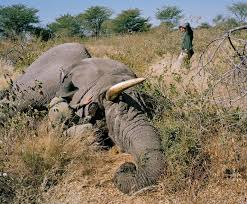
Conservationists are expressing serious concerns over Botswana’s recent decision to raise its annual trophy-hunting quota for elephants, sparking renewed debate about how the country should manage the world’s largest elephant population.
Botswana, a predominantly arid nation with a population of approximately 2.3 million people, is home to over 130,000 elephants—nearly a third of Africa’s total population. Across the continent, there are roughly 415,000 elephants, while the remainder of the world’s 460,000 elephants are found in Asia.
Environmental groups argue that increasing the hunting quota threatens both the survival of Botswana’s elephants and the ecological balance of its wildlife areas. They also point to the country’s global reputation as a conservation leader, emphasizing that trophy hunting could undermine tourism, which provides critical income and incentives for wildlife protection.
Government officials defending the decision argue that regulated trophy hunting can generate revenue for local communities and help manage human-elephant conflicts, especially in areas where growing elephant populations damage crops and threaten livelihoods. However, critics contend that alternative non-lethal management strategies, including eco-tourism and community-based conservation programs, could achieve similar goals without putting elephants at further risk.
The debate over Botswana’s approach highlights the broader challenge facing African nations with large elephant populations: balancing conservation priorities, economic needs, and the protection of one of the world’s most iconic species. As Botswana implements its new quota, the international conservation community will be watching closely, urging transparency and careful monitoring to ensure that the decision does not compromise the long-term survival of its elephants.













Leave a comment