



The world is witnessing a rapid and alarming escalation in hunger, and the latest report from the United Nations World Food Programme reveals just how severe the situation has become. According to the organisation’s 2026 Global Outlook, an estimated three hundred and eighteen million people across the globe will face crisis level hunger or worse. This figure is more than double the number recorded in 2019, highlighting a distressing trend in which food insecurity is rising faster than the resources needed to address it.
At the heart of this worsening crisis is a dramatic shortfall in funding. Humanitarian assistance from governments and global partners has continued to decline even as conflicts, climate shocks, economic instability, and forced displacement dramatically increase the number of people who need emergency food support. As a result, the World Food Programme has been forced into an impossible position, prioritising the most vulnerable and leaving millions of others without the help they desperately require.
For the year 2026, the World Food Programme has set a target to reach one hundred and ten million of the most vulnerable people worldwide. The agency estimates that it will need around thirteen billion dollars to achieve this goal. Unfortunately, current funding projections indicate that the organisation may receive only about half of that amount. This gap represents not just a financial shortfall but a widening humanitarian tragedy that threatens to push entire communities into deeper levels of poverty, malnutrition, and instability.
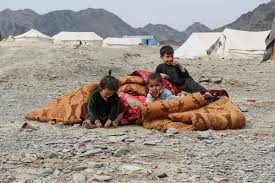
Executive Director Cindy McCain has been outspoken in her warnings about the deteriorating situation. She noted that the world is now facing simultaneous famines in regions such as Gaza and parts of Sudan. These crises, she explained, are unfolding alongside chronic hunger emergencies in places like the Sahel, Yemen, Afghanistan, Haiti, and several parts of East and Central Africa. McCain stressed that the World Food Programme has consistently shown that early action can save lives and prevent the complete breakdown of communities. The agency has a long history of using innovative tools and rapid response systems to avert the worst outcomes. However, without the necessary funding, even the most advanced and effective solutions cannot be deployed at the scale required.
Beyond immediate hunger, the consequences of underfunding extend to long term development. Families who do not receive sufficient food assistance are often forced to reduce the number of meals they eat, remove children from school, marry off young daughters, or migrate in search of survival. These coping mechanisms create ripple effects that undermine education, safety, stability, and economic growth. When millions of people fall deeper into hunger, entire countries become more vulnerable to conflict, disease, and long term social and economic decline.
The World Food Programme’s warning comes at a time when humanitarian organisations are sounding the alarm about donor fatigue. Many governments are facing their own economic pressures and have reduced international aid. At the same time, global food prices remain volatile and climate related disasters are becoming more frequent and destructive. Floods, droughts, wildfires, and storms continue to disrupt agriculture and supply chains, placing additional stress on already fragile communities.
Despite these challenges, the report highlights that solutions do exist. Investment in anticipatory action, climate resilient agriculture, local food systems, and early warning mechanisms can significantly reduce the impact of future crises. But to implement these strategies, the world must prioritise funding for emergency and long term food assistance. Without renewed financial commitment, hunger will continue to escalate, leaving millions of men, women, and children without the basic nutrition needed to survive.
The global hunger crisis is not an abstract issue. It is a lived reality for hundreds of millions of people who wake up each day unsure of where their next meal will come from. The World Food Programme’s findings are a reminder that responding to hunger is not only a moral responsibility but a necessary step toward global stability and peace. Addressing this crisis requires collective action from governments, institutions, the private sector, and individuals around the world.
As the world moves deeper into a period marked by conflict, climate instability, and economic pressure, the need for unified action has never been more urgent. The World Food Programme’s plea is clear. Without increased support, the world risks allowing one of the worst hunger emergencies in modern history to deteriorate even further.










Leave a comment