


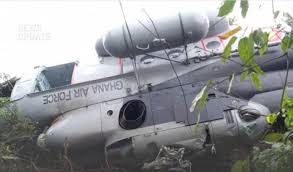
The tragic helicopter crash that claimed the lives of Ghana’s Defence Minister, Edward Omane Boamah, and Environment Minister, Ibrahim Murtala Muhammed, was caused by harsh weather conditions and outdated aviation systems, according to the findings of an official investigation.
The Z9 military helicopter went down in a dense forest in August while en route from Accra to Obuasi, killing all eight people on board. After a two-month inquiry, the investigation panel concluded that the aircraft encountered a powerful downdraft a sudden downward rush of air which caused it to lose altitude and lift before crashing.
Investigators confirmed that the helicopter was airworthy, but warned that Ghana’s Air Force fleet urgently needs modernization. The report highlighted that the 13-year-old aircraft lacked a terrain awareness and warning system (TAWS) — a vital safety feature designed to alert pilots of possible collisions with the ground.
Captain Paul Forjoe, a retired pilot and aviation engineer who led the investigation, emphasized that the absence of modern navigational technology left the aircraft vulnerable in poor weather. The investigation was conducted by Ghanaian authorities with assistance from US aviation experts and the Chinese manufacturer of the helicopter.
On the day of the accident, the ministers and other passengers were traveling to Obuasi for an official mission related to tackling illegal mining. Witnesses near the crash site said the helicopter had been flying unusually low before a loud noise was heard, followed by a massive explosion.
“When we arrived at the scene, there was no one to be rescued,” said a local farmer who witnessed the aftermath.
The tragedy sent shockwaves across Ghana, plunging the nation into mourning for two of its most respected public figures. Both ministers had been deeply involved in national security and environmental reform initiatives, and their deaths have left a major void in government leadership.
The final report calls for urgent upgrades to the Ghana Air Force’s equipment, including modern flight safety systems and improved weather monitoring tools, to prevent future disasters of this scale.








Leave a comment