


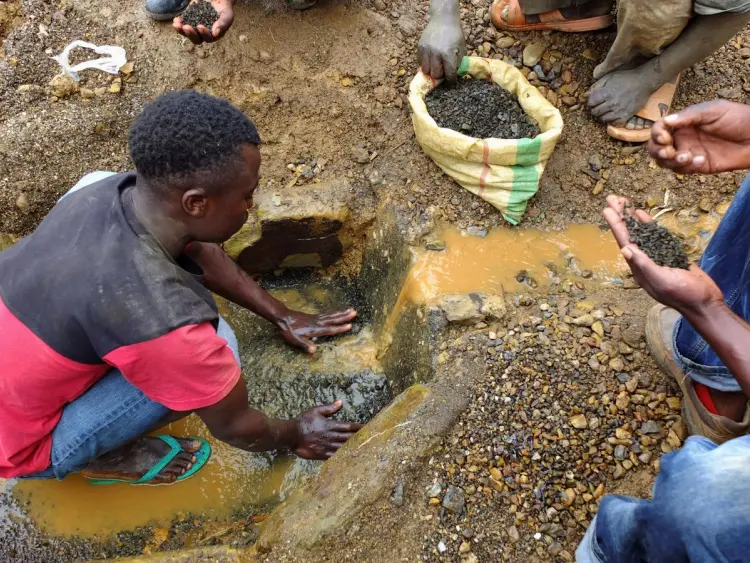
The Democratic Republic of Congo (DRC) has filed a criminal complaint against Apple in France and Belgium, alleging the tech giant’s complicity in the use of conflict minerals sourced from mines controlled by armed groups in eastern DRC. The legal action represents a significant escalation in efforts to hold multinational corporations accountable for their supply chain practices and the broader impacts on regions plagued by instability.
The DRC’s complaint accuses Apple of indirectly benefiting from minerals extracted under the control of armed groups, which have perpetuated violence and human rights abuses in the region. The minerals in question—including tantalum, tin, tungsten, and gold—are essential components in the manufacture of electronic devices such as smartphones and laptops. These resources are often referred to as “conflict minerals” due to their role in funding armed conflicts and contributing to widespread human suffering.
According to the DRC’s filing, minerals pillaged from the eastern part of the country are laundered through international supply chains and ultimately used in Apple’s manufacturing processes. This claim underscores the complex and opaque nature of global supply chains, where raw materials often change hands multiple times before reaching end-users.
Eastern DRC has long been a hotspot for conflict, with armed groups vying for control over lucrative mining operations. These groups often exploit local communities, using forced labor and committing acts of violence to maintain their grip on the mining sector. The revenues generated from the sale of conflict minerals have fueled ongoing instability, undermining efforts to establish peace and development in the region.
The Congolese government’s complaint highlights the devastating impact of these activities on local populations. Communities near conflict-affected mines frequently face displacement, environmental degradation, and the loss of livelihoods. Moreover, the lack of transparency and enforcement in global supply chains allows these practices to persist, with downstream companies often shielded from direct accountability.
While international regulations such as the U.S. Dodd-Frank Act and the European Union’s Conflict Minerals Regulation have sought to curb the trade in conflict minerals, enforcement remains a challenge. Companies are required to conduct due diligence to ensure their supply chains are free from conflict minerals, but gaps in oversight and implementation have limited the effectiveness of these measures.
Apple, for its part, has consistently maintained that it is committed to ethical sourcing practices. The company’s Supplier Responsibility Progress Report outlines measures to eliminate conflict minerals from its supply chain, including third-party audits and collaboration with industry groups. However, critics argue that these efforts fall short of addressing the systemic issues underpinning the trade in conflict minerals.













Leave a comment