


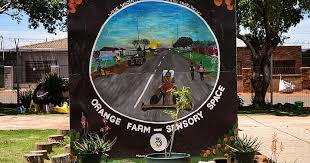
A discarded shipping container in Orange Farm, a low-income township south of Johannesburg, has been transformed into a community sensory room providing free support for children with developmental conditions, young adults and caregivers.
The facility, opened in April by youth-focused non-profit organisation Afrika Tikkun in partnership with Sensory-Space, offers an accessible environment where visitors can manage stress, explore sensory experiences and find relief from emotional distress.
Designed with an underwater theme, the colourful room features a ball pit, fairy lights, swings, textured materials, handmade decorations and recycled plastic bottles. Outside, visitors can use play equipment, balancing logs and other sensory activities.
Local parents and caregivers participated in designing and creating the facility, turning discarded materials into sensory tools through community workshops.
The initiative was initially developed to support children with conditions such as autism, attention-deficit/hyperactivity disorder (ADHD) and epilepsy. However, it has also become a source of emotional support for parents and young adults dealing with anxiety, isolation and other psychological challenges.
For 40-year-old Sisanda Hani, whose teenage son has ADHD and epilepsy, the centre has provided an opportunity to manage the emotional pressures associated with caregiving.
Hani told the Associated Press that visiting the room helped her release accumulated stress and return home feeling less burdened. She said the experience had also helped her communicate more calmly with her son.
Nineteen-year-old Njabulo Ntombela, who is neurodiverse, said the sessions had improved her ability to manage emotions and communicate with other people.
She explained that she previously tended to withdraw and keep her problems to herself but had become more comfortable seeking help after visiting the facility.
According to Afrika Tikkun, the centre’s records show that it has served 450 schoolchildren aged between six and 18, 67 young adults and 56 parents and caregivers.
Occupational therapist Tegan White said the room’s lights, textures, sounds and movement-based activities help visitors explore sensory experiences and regulate their responses.
She explained that the facility provides additional support beyond individual therapy appointments but stressed that it does not replace professional treatment.
Independent occupational therapy lecturer Annelize Kruger also noted that sensory spaces could help children and adults manage distress, although research on their effectiveness remains limited. She distinguished recreational use of sensory rooms from clinical sensory integration therapy, which requires individual assessment and professional guidance.
The project addresses a wider shortage of mental health and developmental support services in South Africa, particularly in underserved communities.
In 2023, the country’s then-Health Minister, Joe Phaahla, said fewer than 30 per cent of people experiencing mental health problems received treatment. The government’s 2023–2030 mental health policy also acknowledges shortages of professionals and unequal access to services across provinces.
Afrika Tikkun’s Disability Inclusion programme lead, Lana Roy, said the shipping container and its sensory equipment cost between $4,700 and $5,300.
The organisation has since opened another sensory facility in Cape Town and hopes to replicate the model in other communities.
The Orange Farm project demonstrates how recycled materials, local participation and partnerships can help extend access to specialised support in communities where conventional therapy facilities are limited.









Leave a comment