


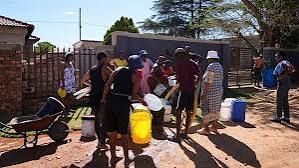
Major cities across South Africa are tightening water-use restrictions as declining dam levels, below-average rainfall and forecasts of a potentially strong El Niño raise concerns about water shortages heading into 2027.
Johannesburg and Tshwane have introduced Level 2 water restrictions, while Cape Town is preparing to implement Level 1 restrictions from Dec. 1, requiring residents, businesses and visitors to reduce consumption.
In Johannesburg, the restrictions took effect on Nov. 21, following concerns that high demand was placing pressure on bulk water supplies from Rand Water and preventing reservoirs and storage towers from recovering adequately after supply interruptions.
Johannesburg Water estimates that the city needs to reduce daily consumption by 200 million litres to stabilise supplies.
The Level 2 measures prohibit the use of municipal drinking water to irrigate gardens, lawns, parks and other public spaces. They also restrict the use of drinking water to wash driveways, paved areas and sidewalks.
The city is introducing higher tariffs for excessive consumption from Dec. 1 and has warned that further supply-management measures could follow if demand does not decline.
Tshwane has also implemented Level 2 restrictions, with the municipality reporting that water consumption has exceeded its permanent supply target by 34% and its temporary target by 19%.
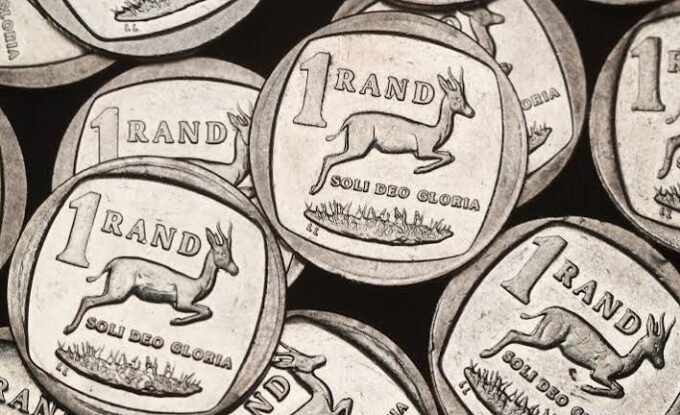
The city has been asked to reduce its daily consumption by about 200 million litres. It has announced higher tariffs and enforcement measures, including random inspections in high-consumption areas. Offenders could face fines starting at 5,000 rand and possible prosecution.
Cape Town, meanwhile, will introduce Level 1 restrictions from Dec. 1, with a target of reducing water consumption by at least 10%.
The measures include limits on garden watering, restrictions on washing paved surfaces and requirements for commercial car washes to recycle at least half of the water they use.
The restrictions come amid growing concerns about the Western Cape’s water reserves.
Water and Sanitation Minister Pemmy Majodina announced reductions of 7% in domestic and industrial water allocations and 15% in irrigation allocations across the Western Cape Water Supply System.
The reductions are expected to save about 56.8 million cubic metres of water annually.
According to the Department of Water and Sanitation, the system’s combined dam storage stood at 72.5% on Nov. 2, compared with 84.4% during the corresponding period in 2025.
The department attributed the decline largely to below-average rainfall during the 2026 winter season, following two consecutive rainfall seasons below the long-term average.
Although the Western Cape system remains operationally stable and capable of meeting current demand, government modelling indicates that the risk of shortages and mandatory restrictions could increase substantially from 2027 if users continue drawing their full allocations.
Climate forecasts pointing to a strong-to-extreme El Niño have added to the concern. The weather phenomenon is associated with changes in global rainfall patterns and can bring hotter, drier conditions to parts of southern Africa.
Higher temperatures could increase evaporation from dams, while reduced rainfall and runoff could limit replenishment of water supplies.
Ferrial Adam, executive director of WaterCAN, said the combination of climate pressures and ageing water infrastructure was worsening the challenges facing the country.
She warned that the impact of hotter and drier conditions could be compounded by weaknesses in water distribution systems.
The restrictions also raise concerns about the potential effects on agriculture, food production and household costs if dry conditions persist.
Prolonged drought could reduce crop yields, increase pressure on irrigation supplies and contribute to higher food prices.
Authorities have urged residents, businesses, industries and agricultural users to conserve water, repair leaks and comply with municipal restrictions.
South Africa’s latest measures reflect growing pressure on urban water systems as municipalities seek to manage rising consumption and prepare for the possibility of more difficult climatic conditions.





Leave a comment