


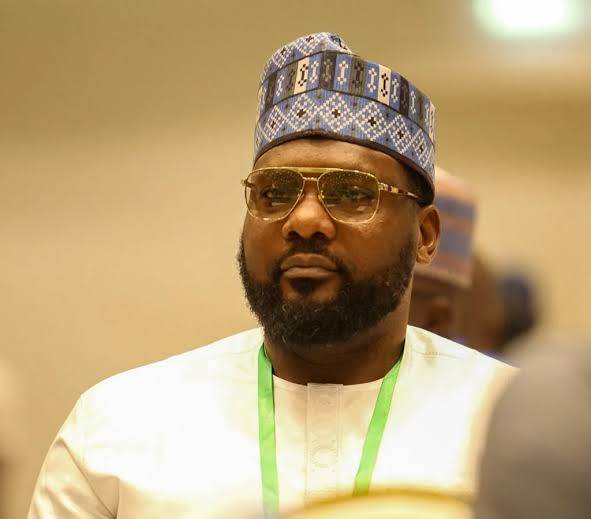
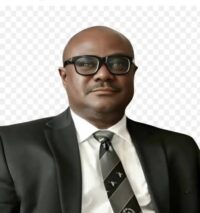
Newly elected President of the Nigeria Basketball Federation (NBBF), Dr. Mustapha Abdullahi, has pledged to strengthen domestic leagues, improve players’ welfare and expand grassroots development as part of efforts to reform basketball administration in Nigeria.
Abdullahi made the commitments in his acceptance speech after winning the federation’s presidential election held in Abuja on Thursday. He secured 40 of the 48 votes cast, defeating former D’Tigers captain Olumide Oyedeji, who received eight votes. Former international basketball player Ejike Ugboaja received no votes.
Abdullahi, who is also Director General of the Energy Commission of Nigeria, succeeds Musa Ahmadu Kida, whose eight year tenure has ended. Ugo Udezue was elected vice president unopposed.
The new president said his administration would pursue institutional reforms, improve competition organisation and establish a more sustainable structure for basketball development. He stressed that the federation needed strategic leadership, sound administration and measurable results.
“We will rebuild from the grassroots, strengthen our domestic leagues, protect players’ welfare, invest in coaches and referees, advance women’s basketball, improve our facilities and make our federation transparent, united and commercially sustainable,” Abdullahi said.
He identified players’ medical care, education and post-retirement opportunities as key areas requiring attention. Coaches, referees and other technical officials would also benefit from efforts to improve professional conditions across the sport.
Abdullahi said his administration would strengthen school and community basketball, creating clearer pathways for young athletes to progress into clubs, secure scholarships and earn opportunities to represent Nigeria.
He also pledged to support the senior national teams, D’Tigers and D’Tigress, as well as youth teams, through early preparation, fair selection procedures and more professional planning. Women’s basketball and opportunities for athletes with disabilities would receive specific attention.
On financing, Abdullahi said the federation would pursue partnerships with private investors, corporate organisations, international basketball institutions and Nigerians in the diaspora. He said stronger commercial relationships would be necessary to improve facilities, generate sustainable revenue and reduce the sport’s dependence on limited funding sources.
The president also pledged greater transparency and accountability, alongside compliance with the NBBF Constitution and applicable International Basketball Federation (FIBA) regulations.
As an initial step, he announced plans for an institutional and facilities audit within his first 100 days in office. His administration would also convene stakeholder consultations, pursue reconciliation within the basketball community, publish a unified competition calendar and develop a four year strategic plan.
Abdullahi’s election followed the withdrawal of presidential aspirant Igoche Mark, who cited concerns about the fairness and credibility of the electoral process. The development came amid calls for unity among stakeholders following disagreements surrounding the contest.
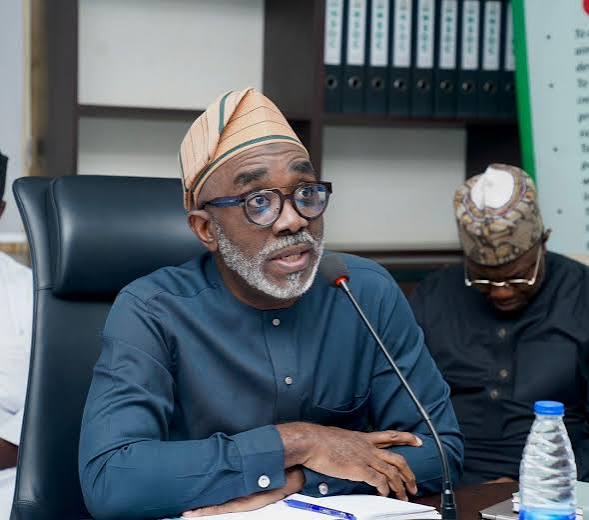
Chairman of the National Sports Commission, Shehu Dikko, urged stakeholders to set aside their differences and work with the incoming leadership to advance Nigerian basketball. He said the election should provide an opportunity to establish a common direction for the sport.
Abdullahi said his administration would be judged by its ability to turn its promises into practical improvements for players, clubs, coaches and young people seeking opportunities through basketball.
The proposed reforms place domestic competitions, athlete welfare, grassroots participation and sustainable financing at the centre of the federation’s agenda. Their impact will depend on implementation, adequate funding and sustained cooperation among the federation and its stakeholders.





Leave a comment