


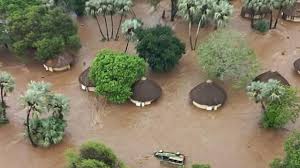
South Africa’s iconic Kruger National Park has suffered extensive damage to its critical infrastructure following severe flooding, with repair costs expected to exceed 30 million dollars, according to officials. The destruction marks one of the most serious environmental and operational crises to hit the world famous conservation site in recent years and has raised broader concerns about climate vulnerability and the future sustainability of South Africa’s national parks system.
Torrential rains and flash floods swept through the region last week after weeks of intense storms, forcing authorities to halt day visits to Kruger and carry out emergency evacuations. Guests and staff were airlifted to safety as rivers burst their banks and large sections of the park were submerged. Kruger National Park, which spans nearly the size of Wales and is a cornerstone of South Africa’s tourism industry, was effectively cut off in multiple areas as bridges collapsed and roads disappeared under floodwaters.
Although no loss of life was recorded within the park itself, the situation remains serious. A week after the floods, parts of Kruger were still underwater and at least 15 tourist camps remained closed. SANParks Chief Executive Officer Hapiloe Sello said more than 500 staff members were stranded inside the reserve, unable to leave until water levels recede and access routes are restored. These staff members are being supported on site, but the prolonged isolation highlights the scale of the disruption.
Environment Minister Willie Aucamp described the damage as devastating, noting that staff housing and tourist accommodation had been destroyed in several locations. He said bridges, roads, water systems, and electrical infrastructure across the park had suffered severe damage, undermining both daily operations and long term functionality. Early assessments by SANParks estimate that damage to critical infrastructure in Kruger alone will exceed half a billion rand, placing immense strain on the public body responsible for managing South Africa’s 21 national parks.
Beyond physical destruction, officials warned of serious financial implications. Kruger National Park is the flagship revenue generator within the SANParks network, and prolonged closures or reduced visitor numbers could significantly affect the organisation’s operating budget. The loss of tourism income, particularly during peak travel periods, could threaten the sustainability of the entire national parks system if recovery efforts are delayed or underfunded.
Despite the scale of the flooding, Kruger’s wildlife appears to have largely escaped harm. The park’s renowned fauna, including elephants, rhinos, lions, leopards, and buffalo, instinctively moved to higher ground ahead of rising waters. According to Minister Aucamp, no animal carcasses have been found, suggesting that wildlife losses were minimal. Conservationists have pointed to this as evidence of animals’ natural ability to respond to environmental threats, even as human infrastructure remains highly vulnerable.
In response to the crisis, the South African government has established a dedicated fund to support Kruger’s recovery and rebuilding efforts. Authorities have also appealed for local and international donations, stressing that climate change is increasing the frequency and intensity of extreme weather events in the region. Kruger lies in an area that is becoming increasingly exposed to natural disasters, making long term climate resilience a growing priority for conservation planning.
The flooding in and around Kruger is part of a wider regional disaster. Dozens of people have lost their lives and hundreds of thousands have been displaced across northeastern South Africa and neighboring Mozambique following weeks of heavy rainfall. As recovery efforts continue, the damage to Kruger National Park stands as a stark reminder of the mounting environmental and economic costs of climate driven extreme weather and the urgent need to protect both people and vital natural heritage sites.








Leave a comment