


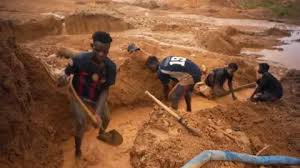
The quiet village of Nyimbadu in Sierra Leone’s Eastern Province has been shaken by a tragedy that has become painfully familiar. Families gathered in disbelief as the bodies of two teenage boys, sixteen-year-old Mohamed Bangura and seventeen-year-old Yayah Jenneh, were laid before them wrapped in white cloth. Their deaths marked yet another reminder of the growing dangers young people face as they turn to artisanal mining to support their families.
A day earlier, Mohamed and Yayah left home hoping to earn enough money to ease the financial strain on their households. Like many children in the region, they had turned to informal gold mining, a practice that has increased sharply as traditional diamond reserves in the Eastern Province have dwindled. For many families with limited economic options, the pursuit of gold has become a way to survive. For children like Mohamed and Yayah, it was also an opportunity to contribute meaningfully to their parents’ livelihoods.
They never returned. The pit they were digging collapsed, trapping them beneath the sand and rock. Rescue efforts were unsuccessful. Their deaths bring the total number of child fatalities in similar mining accidents in this region to at least five over the past four years. Local leaders, teachers, and community activists say these are not isolated incidents. They are part of a wider trend that is pulling children out of classrooms and into hazardous mining sites.
Artisanal gold mining in Sierra Leone is largely unregulated, with makeshift pits and unstable tunnels that can cave in at any moment. Children often work without safety gear, training, or supervision. Driven by poverty, they endure long hours under the scorching sun, digging through unstable terrain for small flecks of gold that could mean school fees, food, or basic household necessities.
Headteachers in the Eastern Province report rising absenteeism among students as more young people abandon formal education for mining. Community activists warn that this trend not only endangers lives but also undermines long-term development. Without education, they argue, children remain trapped in the same cycle of poverty that pushed them into the mines in the first place.
The deaths of Mohamed and Yayah have renewed calls for stronger enforcement of child protection laws, improved economic support for vulnerable families, and investment in safer, regulated mining practices. Local leaders are urging the government and international partners to address the socioeconomic pressures driving children into dangerous labor.
For now, Nyimbadu mourns. The loss of two promising young lives has reminded the community of the human cost behind the region’s informal mining economy. As the village grieves, many hope this tragedy will prompt meaningful action to protect children across Sierra Leone’s mining regions and ensure that no family has to endure such loss again.









Leave a comment