


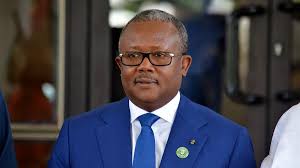
Guinea-Bissau has ordered the immediate and indefinite closure of the offices of Portuguese news agency LUSA and broadcaster RTP, discontinuing all local broadcasts of RTP and instructing Portuguese journalists working with both outlets to leave the country by August 19. The move has sparked global concern over press freedom and independent journalism in the West African nation as it prepares for general elections in November.
In a joint statement, LUSA and RTP confirmed the closure, while the country’s journalists’ union, SINJOTECS, condemned the action as a direct attack on media freedom. The Committee to Protect Journalists (CPJ) described the decision as alarming, especially given the critical role of independent news in the run-up to elections. CPJ’s Africa Program Coordinator, Muthoki Mumo, called on the government of Guinea-Bissau to allow both outlets to operate freely and guarantee that journalists can work without harassment or undue interference.
Authorities have not provided a clear explanation for their actions. LUSA director Luísa Meirelles and RTP chair Nicolau Santos both confirmed to CPJ that no official reason was given. During an August 15 press conference, Prime Minister Braima Camará and President Umaro Sissoco Embaló declined to address the issue directly, though Embaló later told reporters during a state visit to Cape Verde that the closure represented “a problem between Guinea-Bissau and Portugal.” Despite this statement, no further clarification has been issued.
The closures come amid a tense political climate. President Embaló dissolved the country’s parliament in December 2023 and has since ruled by decree. Many observers fear that silencing foreign press outlets is part of a broader strategy to control the narrative ahead of the November elections. RTP chair Nicolau Santos expressed concern that the ban could remain in place until after the vote, saying authorities appeared uninterested in permitting independent coverage during this critical period.
The move also follows recent incidents targeting journalists. On July 27, RTP’s Guinea-Bissau bureau chief, Waldir Araújo, was attacked by three men who accused him of portraying the country negatively in his reporting. Earlier in March, RTP’s transmission equipment in the town of Nhacra was destroyed in a suspicious fire. Last year, CPJ recorded multiple assaults and cases of harassment against journalists in the country, along with frequent verbal attacks on the press by President Embaló himself.
International media rights groups warn that Guinea-Bissau’s latest action signals a deepening hostility toward free expression and access to information. As elections approach, the decision raises fears that citizens will be deprived of independent reporting, leaving them with fewer tools to make informed choices. The CPJ and other organizations continue to urge the government to reverse the closures and uphold its obligations to protect press freedom.







Leave a comment