


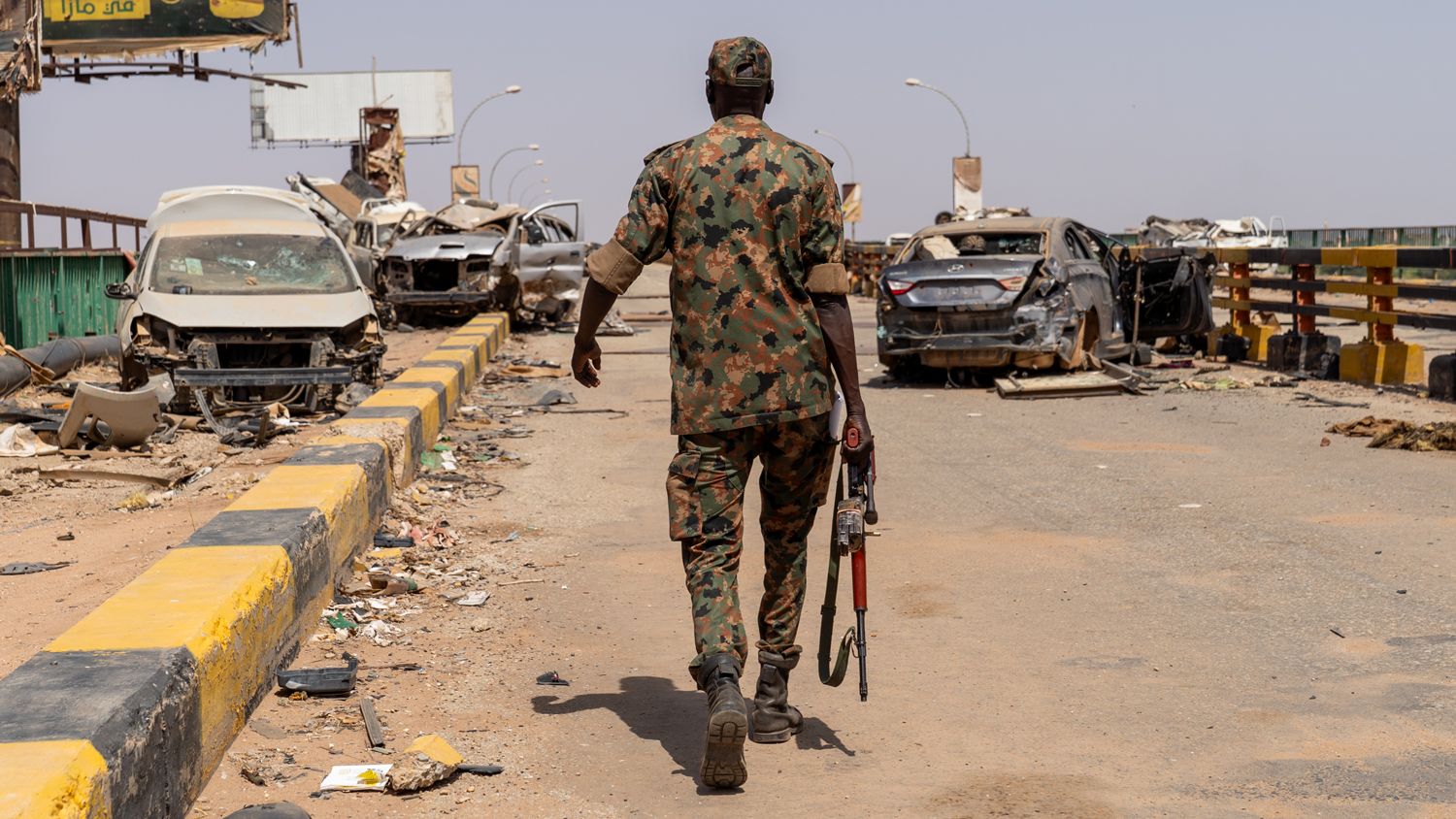
A prominent Sudanese human rights organization has raised grave concerns over widespread torture, arbitrary arrests, and killings allegedly carried out by the country’s army and security forces amid the ongoing civil war. According to Emergency Lawyers, a well-known rights group documenting violations since the start of the conflict, the Sudanese army and its security agencies are accused of operating so-called “execution chambers” where detainees are brutally tortured, with some reportedly killed while in custody.
The group revealed that it has documented hundreds of cases of arbitrary arrests in the capital, Khartoum. In the most disturbing cases, detainees have been found dead with clear evidence of torture and abuse. Victims are often picked up randomly and taken to large detention facilities where their fate becomes uncertain. Emergency Lawyers said that those who survive face one of three outcomes: prolonged detention under inhumane conditions, unfair trials conducted by security agencies without due process, or eventual release in poor health due to the treatment they endured.
This latest wave of allegations comes after the Sudanese army recaptured Khartoum from the paramilitary Rapid Support Forces (RSF) in March. The civil war, which has been raging for over two years, has already claimed tens of thousands of lives and plunged the nation into one of the world’s worst humanitarian crises. Despite repeated calls for accountability, neither the Sudanese army nor the RSF has taken responsibility for the abuses. When approached for comment, the Sudanese army declined to respond.
The Emergency Lawyers group described the situation as a “dangerous escalation in violations,” warning that detention, torture, and killings are becoming increasingly systematic. The accusations echo the dark legacy of Sudan’s former president Omar al-Bashir, whose oppressive regime frequently relied on torture, arbitrary detention, and extrajudicial killings to silence dissent.
International observers, including the United Nations Independent International Fact-Finding Mission for Sudan, have confirmed similar findings. In a report released earlier this year, the UN mission accused both the Sudanese army and the RSF of committing war crimes and crimes against humanity. These include arbitrary arrests, torture, sexual violence, extrajudicial executions, and the use of starvation as a weapon of war.
The conflict has also devastated the country’s health system and food supply. With more than 12 million people forced from their homes, the war has created one of the largest displacement crises in the world. Famine has already been declared in some areas, further worsening the suffering of civilians. Last week, the medical charity Doctors Without Borders (MSF) announced that Sudan is experiencing its worst cholera outbreak in years, with nearly 100,000 reported cases and 2,470 deaths in the past year alone.
The ongoing civil war between the Sudanese army and the RSF continues to deepen the humanitarian catastrophe. Both parties face accusations of widespread human rights violations, including rape, torture, and mass killings, but accountability remains elusive. Rights groups warn that unless urgent international intervention and justice mechanisms are established, the atrocities will only escalate, leaving millions of Sudanese civilians trapped in an endless cycle of violence, displacement, and death.








Leave a comment