


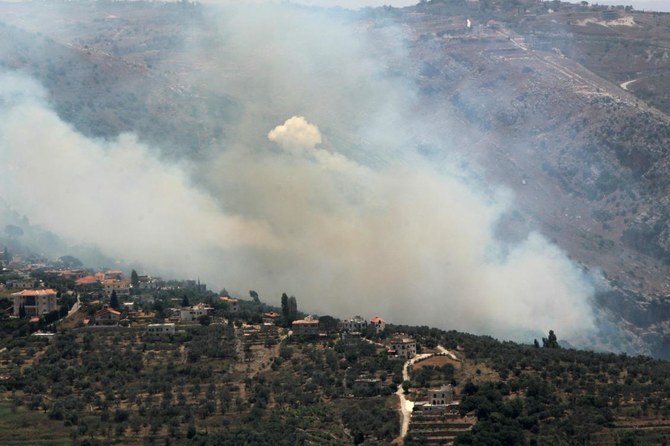
The escalating conflict between Israel and Hezbollah in Lebanon, African students are finding themselves caught in an increasingly dangerous situation. With universities closing, airstrikes becoming more frequent, and the uncertainty of their academic futures looming large, these students face a difficult decision—whether to stay in Lebanon or return to their home countries.
Lebanon has become a focal point in the ongoing conflict, which intensified after Hamas attacked Israel last October, triggering a wave of retaliatory strikes from Israel. The once-bustling streets of Beirut now echo with tension, as the threat of violence grows each day. Cross-border fire between Israel and Hezbollah has intensified, turning parts of Lebanon into active conflict zones.
For African students studying in Lebanon, life has changed drastically. Many had hoped for a de-escalation of the conflict, but the recent surge in violence has made daily life precarious. At one university in Beirut, around 90 African students are part of a scholarship program, but the institution has had to close its doors as airstrikes continue. While some classes have shifted online, students now face constant disruptions in their studies. Power outages and internet problems are widespread, making it difficult to focus on their academic work.
What was once a vibrant campus environment has now turned into a place of fear and uncertainty. Students who once spent their days attending classes and socializing with friends now rarely leave their homes, only venturing out to buy essential supplies. The psychological toll is evident. The ever-present fear of airstrikes and the possibility of encountering explosives have left many students feeling emotionally drained and mentally exhausted.
The situation has become so dire that international governments are urging their citizens to leave Lebanon. Countries such as the United States, the United Kingdom, Australia, and France have issued official travel advisories, warning their nationals to evacuate. This advice has put African students in a particularly tough spot, as they now face the dilemma of whether to leave Lebanon and finish their studies remotely or risk staying in a country where the conflict shows no sign of abating.
Many students are reluctant to leave, fearing that returning to their home countries could jeopardize their studies. For some, returning home means facing unreliable internet and electricity supplies, which would make completing online classes and assignments nearly impossible. Others are enrolled in programs that require hands-on experience or clinical rotations, which they cannot complete from a distance. The scholarship programs funding these students have allowed them the option to return home, but for some, this is not a feasible solution.
Air travel out of Lebanon has also become complicated, with major airlines suspending flights in and out of Beirut. This has added to the sense of urgency, as students scramble to find tickets and make arrangements for a possible evacuation.
Amid the chaos, African students are finding themselves isolated. Many report feeling unsupported and left to navigate the situation on their own. The stress of balancing academic responsibilities with the very real threat of violence has taken a significant toll on their mental health, and many are struggling to make decisions about their future. They must weigh the need to prioritize their safety against the desire to finish their education, a choice that is proving increasingly difficult.
As the conflict intensifies, the future for these African students in Lebanon remains uncertain. While some have made the decision to leave, others remain conflicted, hoping that stability will return before they are forced to abandon their academic dreams.










Leave a comment