


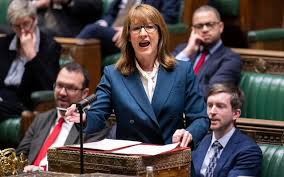
Britain’s finance minister, Rachel Reeves, has said that any government support to help households cope with rising energy bills will be targeted based on income levels, rather than offered universally.
Speaking amid growing economic pressure linked to the Middle East conflict, Reeves confirmed that officials are developing plans to direct assistance toward those most in need. However, she noted that it is still too early to specify exactly which households will qualify for the support.
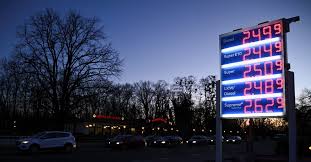
Energy costs in the United Kingdom are expected to rise again in the coming months, with forecasts pointing to an increase in household bills as early as July. The anticipated surge is being driven largely by global energy market disruptions tied to geopolitical tensions.
Reeves has repeatedly ruled out a repeat of the broad, across the board subsidies introduced during previous energy crises, arguing that such measures placed significant strain on public finances and contributed to higher inflation and borrowing costs. Instead, the government is prioritizing a more means tested approach, focusing support on lower income households and vulnerable groups.
Officials are also considering additional mechanisms to cushion the impact, including channeling funds through local councils and expanding targeted relief schemes for families facing the greatest financial hardship.
The policy shift reflects a broader fiscal strategy aimed at balancing cost of living support with budget discipline, as the government seeks to avoid large scale spending commitments while still addressing rising energy poverty.
Analysts say the approach could help contain public debt but warn that middle income households, often excluded from targeted schemes, may still feel significant pressure if energy prices continue to climb.












Leave a comment