


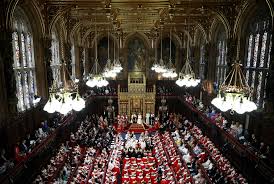
The United Kingdom has officially ended the centuries old practice that allowed hereditary peers to hold seats in the House of Lords, marking a historic shift in the country’s parliamentary system.
For hundreds of years, certain members of the British aristocracy automatically gained the right to sit in the House of Lords through inheritance. These hereditary peers were able to participate in debates, vote on legislation, and influence national policy without being elected or appointed based on professional experience.
The reform brings an end to one of the most enduring traditions within the British legislature. While earlier changes had already reduced the number of hereditary peers allowed to sit in the chamber, a small group had continued to retain their seats. The latest move removes the remaining hereditary positions, effectively closing the chapter on this long standing practice.
Supporters of the reform say the change reflects modern democratic values and helps ensure that members of the House of Lords are chosen for their expertise, public service, and contributions to society rather than family lineage. They argue the move strengthens the credibility and legitimacy of the upper chamber.
However, the decision has also reignited broader debates about the future of the House of Lords. Some political analysts and reform advocates believe the chamber should undergo deeper changes, including a fully elected upper house or a more transparent system for appointing members.
Despite these discussions, the abolition of hereditary seats represents a significant constitutional moment for the United Kingdom, signaling the gradual transformation of one of the world’s oldest parliamentary institutions.












Leave a comment