


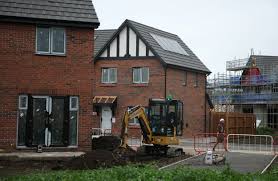
House prices in the United Kingdom increased by 2.4 percent in annual terms in December 2025, data from the Office for National Statistics (ONS) showed on Wednesday, highlighting continued resilience in the housing market despite broader economic uncertainty.
The ONS figures revealed that the average UK house price was £280,000 in December, up from around £273,000 a year earlier. The rise in prices came even as mortgage rates remained relatively high compared with pre‑pandemic levels, underlining persistent demand for property and limited supply in many areas of the country.
Regionally, price growth varied across the country. Northern England and Wales saw stronger increases than London and the South East, where prices have been more subdued amid mixed economic signals and higher borrowing costs. Analysts said this reflects a broader trend of house price growth outside the capital as buyers seek more affordable locations.
ONS Director of House Price Statistics Richard Snape said that the market remained “relatively stable” but noted that monthly price growth was modest, suggesting that potential buyers and sellers were taking a cautious approach amid macroeconomic uncertainty. “The annual rate remained positive, but the pace of increase eased compared with earlier in 2025,” he added.
Analysts pointed to several factors supporting the housing market. Although mortgage rates have been elevated compared with historic lows, they have edged down from peak levels seen in 2024, helping support buyer activity. Meanwhile, long‑standing shortages of housing stock in many parts of the UK continued to underpin prices, especially in high‑demand commuter belts and regional centres.
Despite the annual increase, questions remain about the outlook for house prices in 2026. Many economists expect price growth to remain modest, with possible areas of weakness if lending conditions tighten further or if economic growth slows. Some high‑end markets could also see price corrections, while mid‑range and lower‑priced segments may continue to benefit from sustained demand among first‑time buyers and downsizers.
The latest data arrives alongside other mixed economic indicators for the UK, including a recent rise in unemployment to a more than decade‑high outside the pandemic and slowing wage growth, both of which have influenced consumer confidence and housing market dynamics. How these broader economic trends interact with pricing will be closely watched by policymakers and industry observers in the months ahead.













Leave a comment