


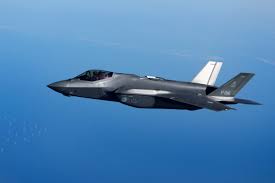
Denmark has announced it will deploy four F35 fighter jets to support NATO’s newly launched Arctic Sentry initiative, a coordinated military effort aimed at strengthening security and strategic presence across the High North amid growing geopolitical tensions. Danish Defence Minister Troels Lund Poulsen confirmed the contribution on Friday, noting that the aircraft will help enhance surveillance, deterrence and rapid response capabilities as allied forces increase cooperation in the Arctic region.
The Arctic Sentry mission was created to consolidate NATO activities in the Arctic under a unified framework, bringing together national exercises and operations into a coordinated structure overseen by the alliance’s Joint Force Command in Norfolk, Virginia. The initiative seeks to improve operational readiness and stability in a region that has become increasingly contested due to emerging shipping routes, natural resource competition and the expanding strategic interests of global powers such as Russia and China.
Denmark’s decision to send advanced stealth aircraft reflects a broader push among European allies to increase their military contributions to Arctic security. The jets are expected to participate in joint patrols and training exercises alongside other NATO assets deployed by participating countries, supporting air policing missions and reinforcing the alliance’s ability to respond swiftly to potential threats in the region.
The Arctic Sentry initiative has drawn additional commitments from several NATO members. Sweden has pledged fighter jets and ranger units to patrol areas around Greenland and Iceland, while the United Kingdom plans to expand troop deployments in Norway and contribute to large scale exercises across the High North. These efforts underline a growing recognition among European governments of the strategic importance of Arctic stability and collective defence cooperation.
Security analysts say the mission is also intended to ease political tensions following disputes related to Greenland’s strategic status and to demonstrate NATO’s unity in managing emerging threats. While Arctic Sentry is not a permanent military deployment, it represents a significant shift toward deeper coordination among allies and highlights the increasing military relevance of the region as climate change opens new economic opportunities and heightens competition among major powers.













Leave a comment