


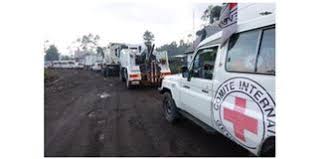
The United Nations peacekeeping mission in the Democratic Republic of Congo will send its first monitoring team to oversee a ceasefire between the Congolese government and the AFC M23 rebel alliance in the coming days, Qatar’s foreign ministry said on Monday, following talks hosted in Doha.
According to Qatar, the initial monitoring team will be deployed to Uvira, a strategic city in eastern Congo that has been at the centre of recent fighting. AFC M23 fighters captured Uvira in December during a swift offensive that expanded their control across parts of North and South Kivu provinces. Congolese government forces, backed by allied local militias, re entered the city last month after the rebels announced they would withdraw, restoring state control.
The deployment marks the first concrete step toward implementing a ceasefire agreed during diplomatic engagements facilitated by Qatar, which has emerged as a key mediator alongside regional and international actors seeking to ease tensions in eastern Congo. The United Nations mission, known as MONUSCO, is expected to verify compliance with the ceasefire, monitor troop movements and report violations, particularly in areas that have seen repeated cycles of violence.
Uvira is considered a strategic hub due to its location near Lake Tanganyika and its role as a commercial and security gateway between South Kivu and neighbouring countries. Control of the city has shifted several times amid fighting involving government troops, M23 fighters and a patchwork of armed groups, contributing to mass displacement and humanitarian strain.
The conflict in eastern Congo has intensified over the past year, with the government accusing neighbouring Rwanda of backing the M23, allegations Kigali denies. The resurgence of the rebel group has displaced hundreds of thousands of civilians and raised fears of a wider regional confrontation.
Qatar said the talks in Doha were aimed at reducing violence, building confidence between the parties and supporting African led peace initiatives. The United Nations has repeatedly warned that the situation in eastern Congo remains fragile, with civilians bearing the brunt of insecurity, disrupted livelihoods and limited access to basic services.
While the deployment of ceasefire monitors is seen as a positive step, analysts caution that sustained political dialogue and regional cooperation will be essential to prevent renewed fighting. Previous ceasefires in the region have often collapsed due to mistrust, fragmented command structures and competing interests on the ground.
For now, the arrival of UN monitors in Uvira is expected to test whether the latest truce can hold and whether diplomatic efforts can translate into lasting stability for communities long trapped in conflict.










Leave a comment