


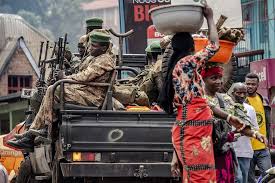
Nearly one year after Rwanda backed M23 fighters seized the eastern Congolese city of Goma, daily life for civilians has been profoundly altered, shaped by persistent insecurity, widespread displacement, and escalating political tensions that extend far beyond the city itself. What was once a bustling provincial capital and economic hub in the mineral rich eastern Democratic Republic of the Congo has become a symbol of the deepening crisis gripping the region.
The takeover of Goma in late January last year followed several days of intense and deadly fighting. Heavy clashes between M23 fighters and Congolese government forces left many residents killed or wounded and forced thousands to flee in panic. As gunfire echoed through neighborhoods and key infrastructure was damaged, fear spread rapidly across the city. The fall of Goma sent shockwaves through the country, given its strategic importance as a commercial gateway to eastern Congo and a critical center for humanitarian operations.
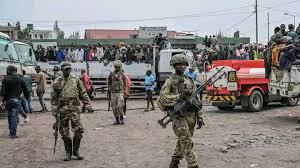
Since the seizure, armed patrols, checkpoints, and new security controls have become a permanent feature of daily life. Residents describe a city under constant surveillance, where movement is monitored and uncertainty hangs over ordinary activities such as going to work, attending school, or accessing markets. While M23 authorities claim these measures are necessary to maintain order, many civilians say the heavy security presence has created an atmosphere of intimidation rather than safety.
Human rights organisations and local residents report forced transfers of civilians from surrounding areas into or out of the city, alongside military operations targeting groups that M23 considers hostile. These actions have deepened fear among communities already traumatised by years of conflict. Public services, already fragile before the takeover, have been further strained, with healthcare facilities, schools, and water supplies struggling to function amid insecurity and shortages.
At the political level, the crisis in Goma has intensified tensions between the Democratic Republic of the Congo and Rwanda. The Congolese government accuses Kigali of backing the M23 rebellion with troops, weapons, and logistical support, allegations that Rwanda continues to deny. Speaking this week, government spokesperson Patrick Muyaya described conditions in M23 controlled areas as “governance by crime,” arguing that the rebel administration suppresses freedoms and rules through fear. He also accused Rwanda’s leadership of undermining regional peace efforts, pointing to President Paul Kagame’s absence from key mediation talks held in Luanda last December.
M23 leaders strongly reject claims that they are acting as a proxy force for Rwanda. They argue that their rebellion is driven by longstanding grievances within Congo, including political exclusion, poor governance, and the failure to fully implement previous peace agreements. Corneille Nangaa, coordinator of the AFC M23 alliance, has framed the movement as part of a broader struggle to transform the Congolese state after what he describes as decades of mismanagement and neglect by successive governments in Kinshasa.
Regardless of competing narratives, the humanitarian impact has been devastating. Tens of thousands of residents fled Goma before and after its capture, while hundreds of thousands more have been displaced across North Kivu and neighboring provinces as fighting spread. Camps for displaced people are overcrowded and under resourced, with aid agencies warning of growing risks of disease, hunger, and gender based violence. Diplomatic initiatives to restore peace have so far failed to halt the violence or produce a durable political solution.
As Goma enters its second year under M23 control, civilians remain trapped between armed actors, regional rivalries, and stalled peace processes. For many residents, the future is defined not by political statements or negotiations, but by daily survival in a city where fear, uncertainty, and displacement have become the new normal.





Leave a comment