


Military takeovers are a familiar feature in Guinea Bissau. Since gaining independence from Portugal in 1974, the West African nation has experienced at least nine attempted and successful coups. Yet the latest developments have introduced a new level of uncertainty and suspicion among analysts and political observers.
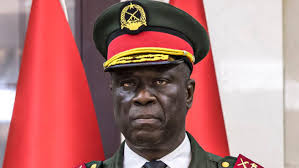
Last Wednesday, military officers announced that they had seized control of the country. Gunfire was reported near the presidential palace, President Umaro Sissoco Embaló was detained, and soldiers addressed the nation on state television. While these are hallmarks of a traditional coup, several unusual circumstances have sparked debate about the true motives behind the takeover.
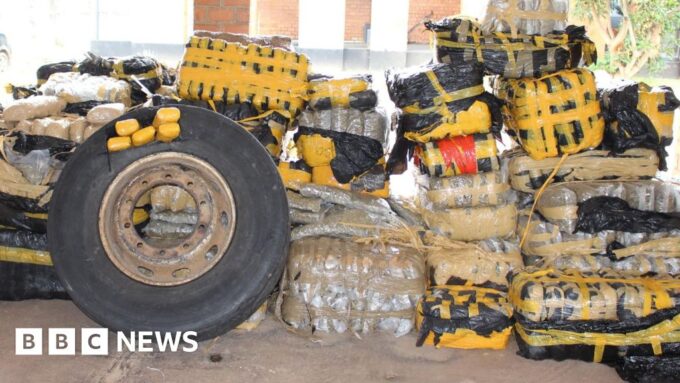
Some political figures, including Senegalese Prime Minister Ousmane Sonko and former Nigerian President Goodluck Jonathan, have raised the possibility that the takeover may have been orchestrated by President Embaló himself. Meanwhile, the military insisted in interviews with the BBC that it had taken control of the country but rejected the use of the term coup. The junta claimed they acted to prevent a plot by unnamed politicians allegedly backed by a “well-known drug baron” aiming to destabilize the nation. Guinea Bissau has long been identified as a key hub for drug trafficking, which adds another layer of complexity to the unfolding events.
The military action came just three days after a presidential election. Embaló, 53, was seeking a second term in office, facing Fernando Dias da Costa, who had the backing of former Prime Minister Domingos Pereira. Pereira was initially expected to run on behalf of the main opposition party, PAIGC, but he was disqualified after authorities claimed he submitted his candidacy papers late. His exclusion heightened political tensions and left opposition supporters frustrated.
Residents and observers have expressed concern about the country’s stability, given Guinea Bissau’s history of political turbulence and weak institutions. Questions remain about who is truly behind the military intervention and what it means for governance, civil liberties, and international relations.
As the situation continues to unfold, both local and international communities are watching closely, trying to determine whether this takeover will follow the familiar pattern of short-lived coups or mark a turning point in Guinea Bissau’s fragile political landscape.





Leave a comment