


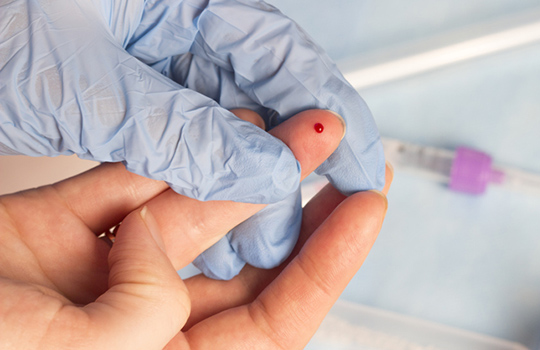
A groundbreaking study published in The Lancet has revealed that type 2 diabetes is increasing at an alarming rate across sub-Saharan Africa, far outpacing previous projections and threatening the health of millions. Researchers now estimate that nearly double the previously forecast number of Africans could be affected by 2045, potentially surpassing 100 million cases.
The study tracked more than 10,000 individuals over seven years in South Africa, Kenya, Ghana, and Burkina Faso. It identified key risk factors, including poor diet, obesity, low physical activity, and limited access to healthcare, particularly in peri-urban and rural areas where processed foods are becoming more prevalent and health services remain inadequate.
Dr. Raylton Chikwati from the University of Witwatersrand noted that the shift toward urban lifestyles is driving increased consumption of unhealthy foods and sedentary behaviors, exacerbating diabetes risks in transitioning communities. He also emphasized that peri-urban populations are especially vulnerable due to limited healthcare access.
Palwende Boua, a researcher from Burkina Faso’s Clinical Research Unit of Nanoro, underscored the importance of long-term health monitoring, noting that continuous follow-up with study participants has provided critical data that can inform targeted public health interventions. He is currently developing a policy brief to guide the Burkinabe government in addressing the rising diabetes burden.
The new research challenges earlier estimates by the International Diabetes Federation, which projected that 24 million sub-Saharan Africans had diabetes in 2021, with numbers expected to reach 50 million by 2045. The updated findings suggest the real number may approach 100 million within two decades.
Personal stories like that of 51-year-old South African security guard Sibusiso Sithole highlight the growing impact of the disease. Despite an active lifestyle, walking six miles daily, he was shocked to be diagnosed with both diabetes and high blood pressure. Today, through medication, weight loss, and dietary changes, he’s regained control of his health. “People must check how they eat,” he warned, “because at that time I had too much weight I wore size 40. Now I wear size 34.”
Experts urge African citizens to undergo regular blood sugar testing and adopt healthier lifestyles. They also call on governments to invest in early detection programs and expand healthcare services to underserved areas to prevent an impending health crisis. With early action, public awareness, and improved care, Africa can confront the diabetes epidemic before it spirals further out of control.












Leave a comment