

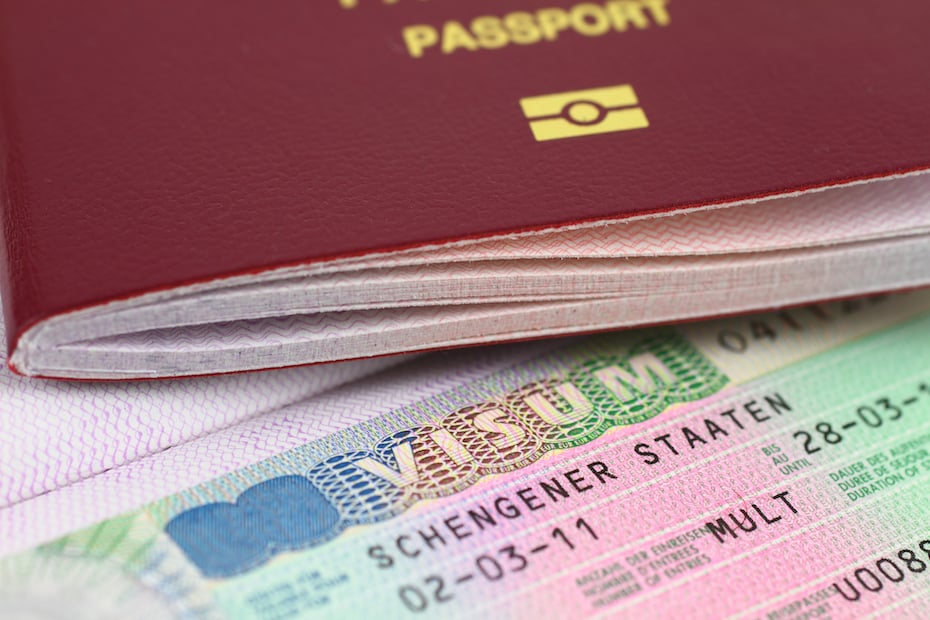
In 2024, Joel Anyaegbu, a 32-year-old Nigerian gaming consultant, faced repeated Schengen visa rejections despite submitting extensive documentation, including bank statements and proof of property ownership. Denied by the Spanish consulate in Lagos for unreliable “justification for the purpose and conditions of the intended stay,” Anyaegbu was forced to cancel critical business meetings in Barcelona. “I felt humiliated,” he told CNN, noting the consulate ignored his follow-up inquiries. His experience reflects a broader issue: Nigeria saw 50,376 short-stay Schengen visa applications rejected last year, nearly half of all submissions, costing Nigerians over $5 million in non-refundable fees.
According to the European Commission, each Schengen visa application carries a 90-euro ($100) fee, meaning African countries lost $67.5 million in 2024 due to rejections, with Nigeria, Ghana, and Senegal facing denial rates of 40-50%. The LAGO Collective, a London-based research group, highlights Africa as the continent hardest hit by these costs. “The poorest countries pay the richest for not getting visas,” said founder Marta Foresti, pointing to “inbuilt discrimination and bias” in the process, as poorer nations face higher rejection rates.
The Schengen Area, comprising 29 European countries, assesses applications based on individual merits, including purpose of stay and intent to return. However, the high rejection rates for Africans have sparked accusations of systemic unfairness. Anyaegbu’s case is not isolated—thousands of Nigerians, from business professionals to students, face similar barriers, losing significant sums and opportunities.
Social media posts on X echo frustration, with users calling the process “a financial trap” and urging reform. The issue has fueled debates about global mobility and equity, as Africans face disproportionate hurdles to travel. For updates on Schengen visa policies and African travel challenges











Leave a comment